Low Emission Graphite Packing, Nickel Alloy Mesh, Class 4500

Low Emission Graphite Packing, Nickel Alloy Mesh, Class 4500

Key Specifications / Features

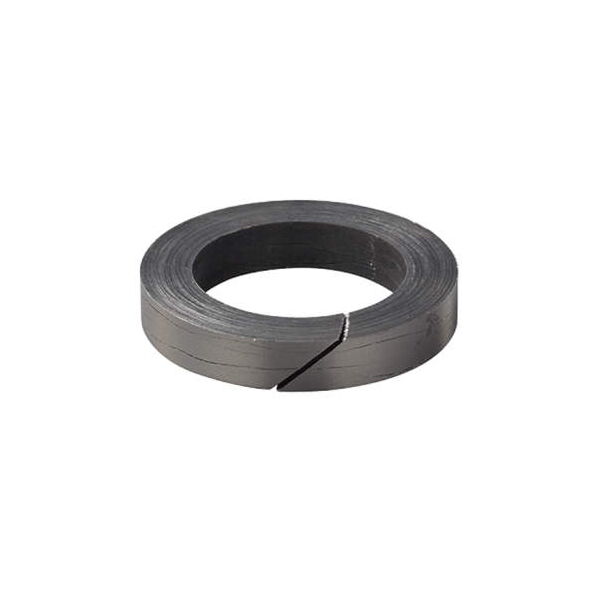
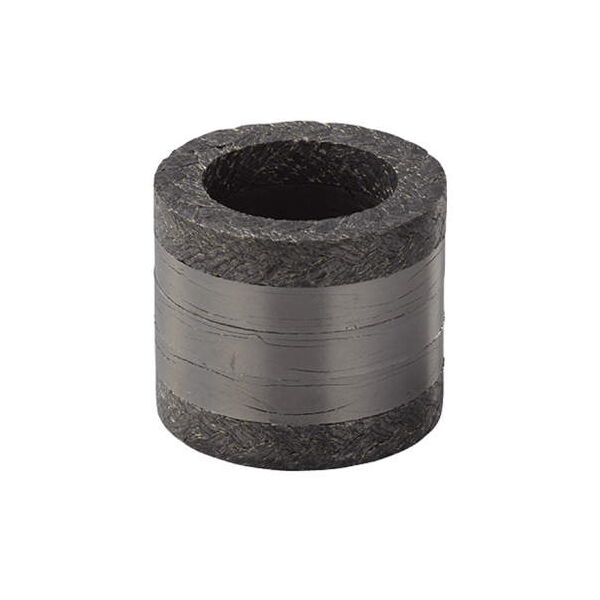
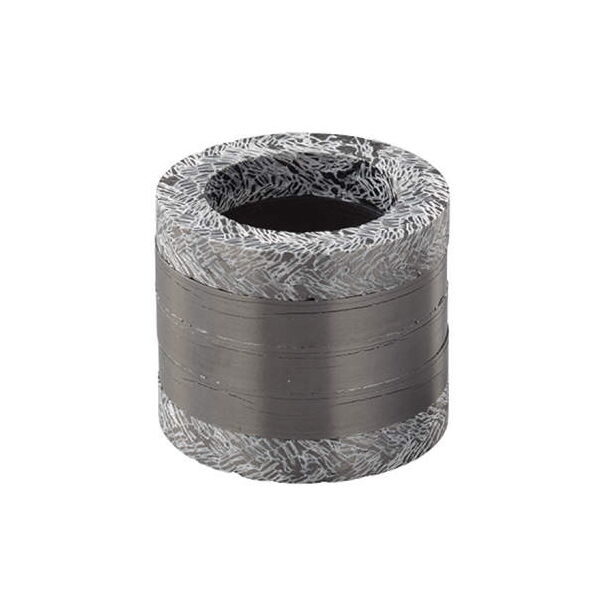
Our Low Emission Graphite Packing Factory specializes in producing high-quality packing materials designed for demanding applications. These packings are made from flexible graphite sheets reinforced with nickel alloy mesh, ensuring low sliding friction and excellent durability. With a pressure rating of 77.6 MPaG, they are specifically designed for nuclear applications where reliability and low emission are critical. These packings offer exceptional sealing performance, making them ideal for use in high-pressure and high-temperature environments.
Request a quote

Detail Information

Product Name: Graphite Packing for Valves, Seal Packing
Material Composition: Flexible Graphite, Nickel Alloy, PTFE
Fluid Temperature: -200°C to +400°C (Packing temperature must be kept at 350°C or less)
Maximum Pressure: 77.6 MPaG (Class 4500 LB)
pH Range: 0 to 14
Chlorine Ion Concentration: ≤100 ppm
Applications: Designed for nuclear applications requiring controlled chlorine ion concentration

Features

Low sliding friction for reduced valve stem wear
Flexible graphite sheet with nickel alloy mesh for easy handling
Enhanced sealability and chemical resistance
Internal periphery treated with PTFE and fine graphite powder for lubrication

Send your message to this supplier

FAQs

Low-emission packing systems are specifically engineered to minimize microscopic leakage along the valve stem, which is a common source of fugitive emissions in industrial plants.

Compared with conventional packing, low-emission designs achieve better performance through:

Higher material density control to reduce permeation paths

Pre-compressed or die-formed graphite rings for stable sealing stress

Optimized load distribution using live-loading spring systems

Improved surface finish compatibility with stem materials

These design improvements allow the packing to maintain consistent sealing force even under thermal cycling and vibration. As a result, leakage levels can be reduced to extremely low thresholds (often measured in parts per million), supporting compliance with environmental regulations and reducing operational losses.

Low-emission gaskets are designed to significantly reduce microscopic leakage that may occur under flange stress, thermal expansion, and vibration.

Their performance improvements come from several engineering factors:

Controlled compression behavior, ensuring uniform stress distribution across flange faces

Enhanced material density and recovery, reducing relaxation over time

Improved creep resistance, especially in graphite-based and spiral wound structures

Better surface conformity, allowing sealing even with minor flange imperfections

In modern industrial standards, such gaskets are often tested under rigorous emission protocols (such as ISO 15848 and TA-LUFT), ensuring they meet environmental and safety expectations.

By minimizing fugitive emissions, these gaskets help improve plant efficiency, reduce maintenance frequency, and support environmental compliance.

Basic Concept

Low Emission Valves refer to valves that, through special design and manufacturing processes of the stem packing and mid-seat gasket, control the leakage of media (gases, liquids) to extremely low levels. They are primarily used in industrial scenarios with high safety and environmental protection requirements. The core objective is to reduce or prevent the leakage of harmful media (such as volatile organic compounds (VOCs), toxic gases, flammable and explosive substances, etc.) into the external environment. Therefore, low emission valves offer multiple advantages in terms of energy conservation, emission reduction, reduced safety risks, and environmental pollution.

Key Technical Standards and Leakage Grades

The performance of Low Emission Valves is quantified by their leakage rate, and different industries follow different standards. Common standards include:

1. International Standards

ISO 15848-1: This standard classifies valve leakage grades into four levels: A (the highest requirement), B, C, and D. Grade A requires a leakage rate of ≤100 ppm (by volume).

API 624 (American Petroleum Institute): This standard, applicable to the refining and chemical industries, specifies a leakage rate of ≤100 ppm (for gases) under specific pressures.

EPA Standard (U.S. Environmental Protection Agency): This standard, targeting VOC emissions, requires a leakage rate of ≤500 ppm.

2. Chinese Standards

GB/T 42223-2022: This standard, which references international standards, regulates the design, manufacturing, and testing of Low Emission Valves.

Similar Products

Related Searches

Products you might also like
