
Used BMW i3 2013-2022 review
Model Number: BMW i3
Key Specifications / Features
Used BMW i3 2013-2022 review
Detail Information
Used BMW i3 2013-2022 review
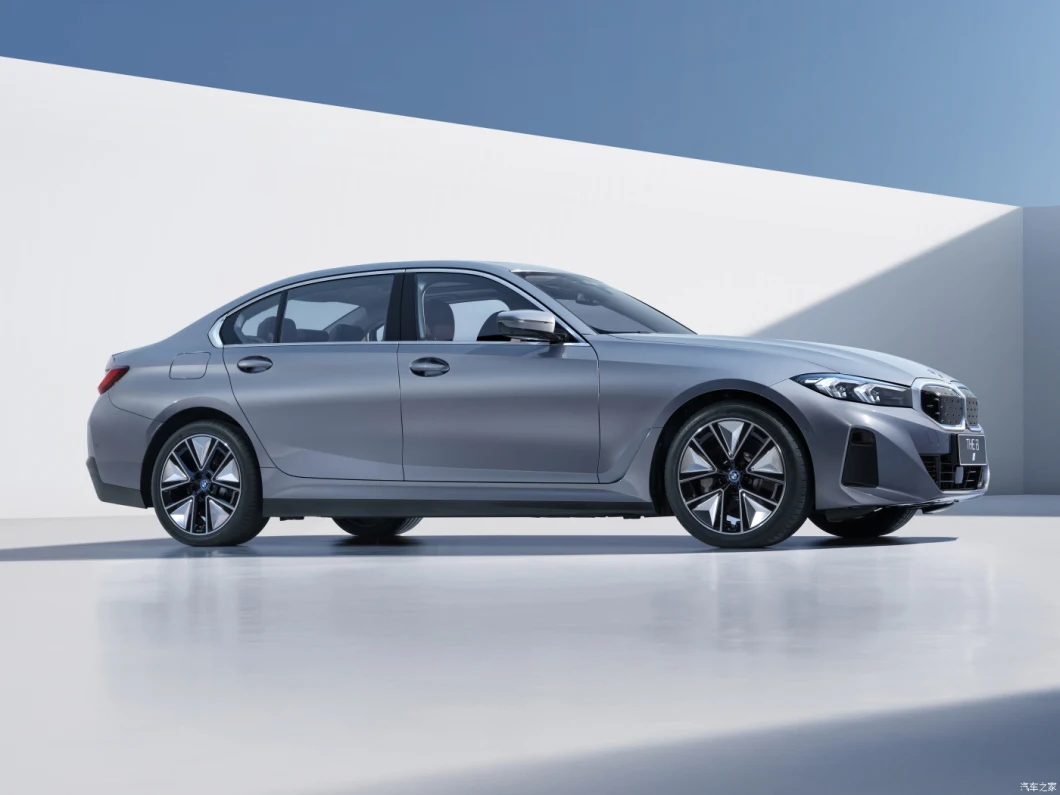
Product Description
| Brand | BMW | Body Structure | SUV |
| Driving Energy | BEV | Vol of Motor | Single Motor |
| Motor Layout | Rear | Battery Type | Ternary lithium |
| Cell Brand | BMW | NEDC maximum Range | 526 |
| Motor Type | Permanent magnet/synchronous | WLTC maximum Range | - |
| Doors | 4 | Seats | 5 |
| Fast Charge(h) | 0.68 | Slow Charge(h) | 6.75 |
| Fast Charge amount | 80 | Power(kw) | 210 |
| Torque(m) | 400 | Motor(ps) | 286 |
| Length*Wighth*Highth | 4872*1846*1481 | Max Speed(km/h) | 180 |
| 0-100km/h(s) | 6.2 | electric energy equivalent fuel consumption(L/100km) | 1.62 |
Car Show
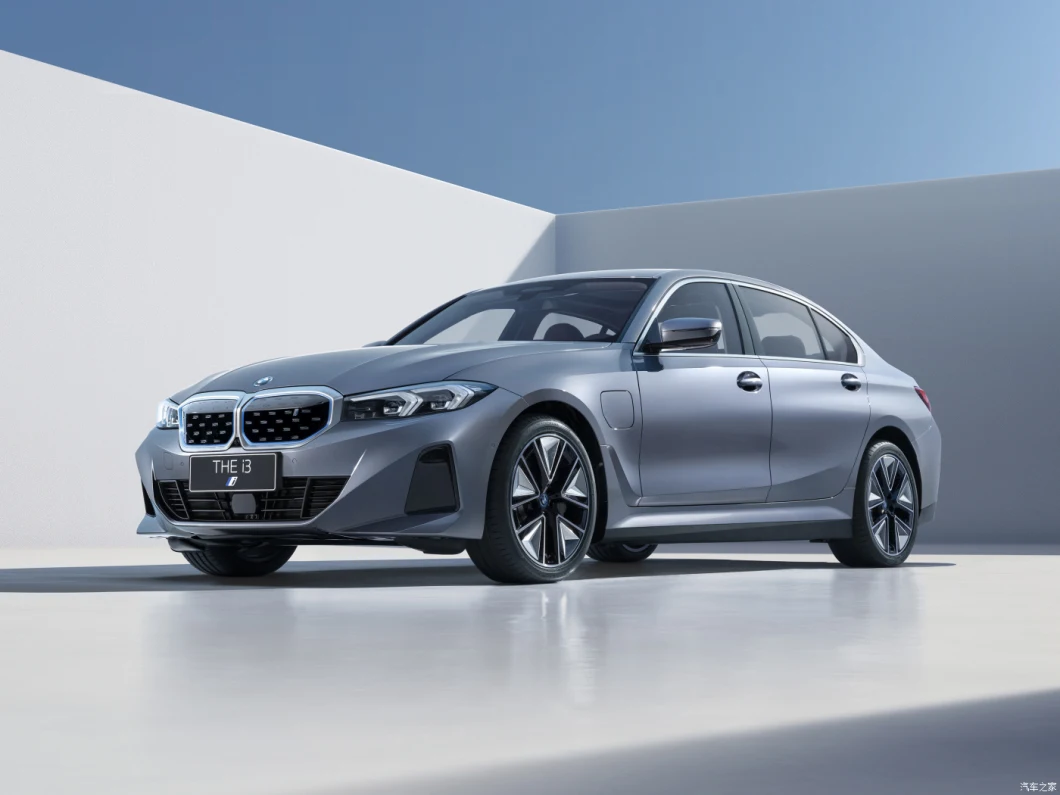
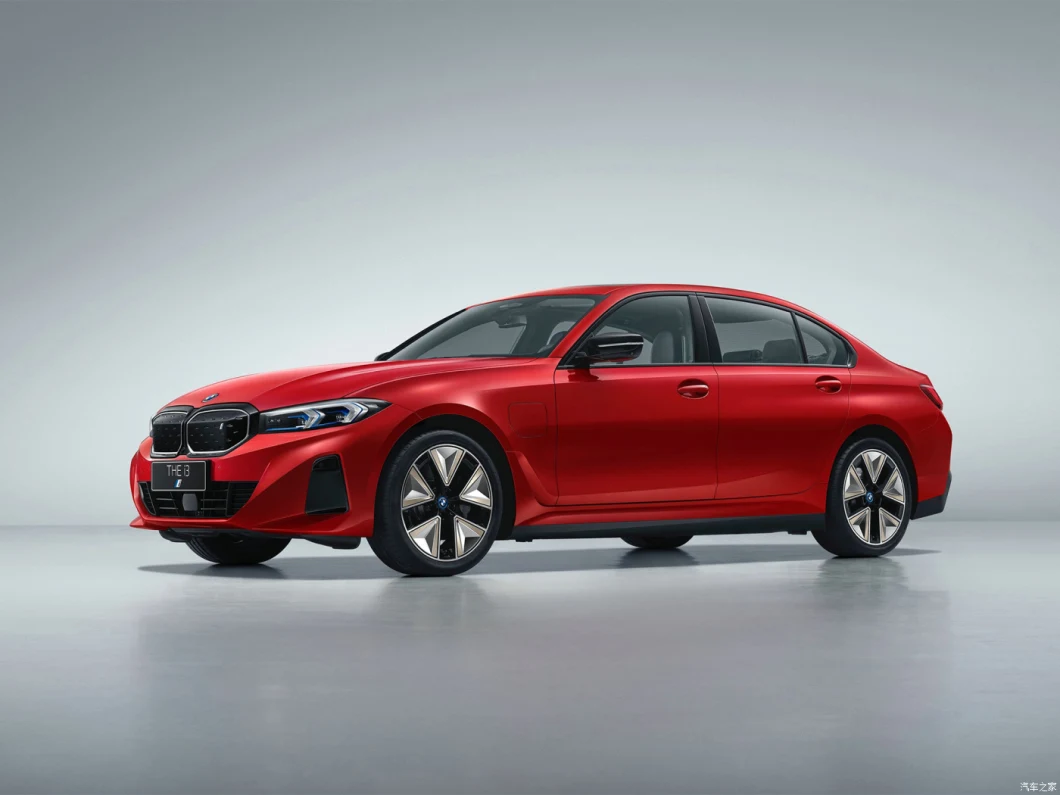
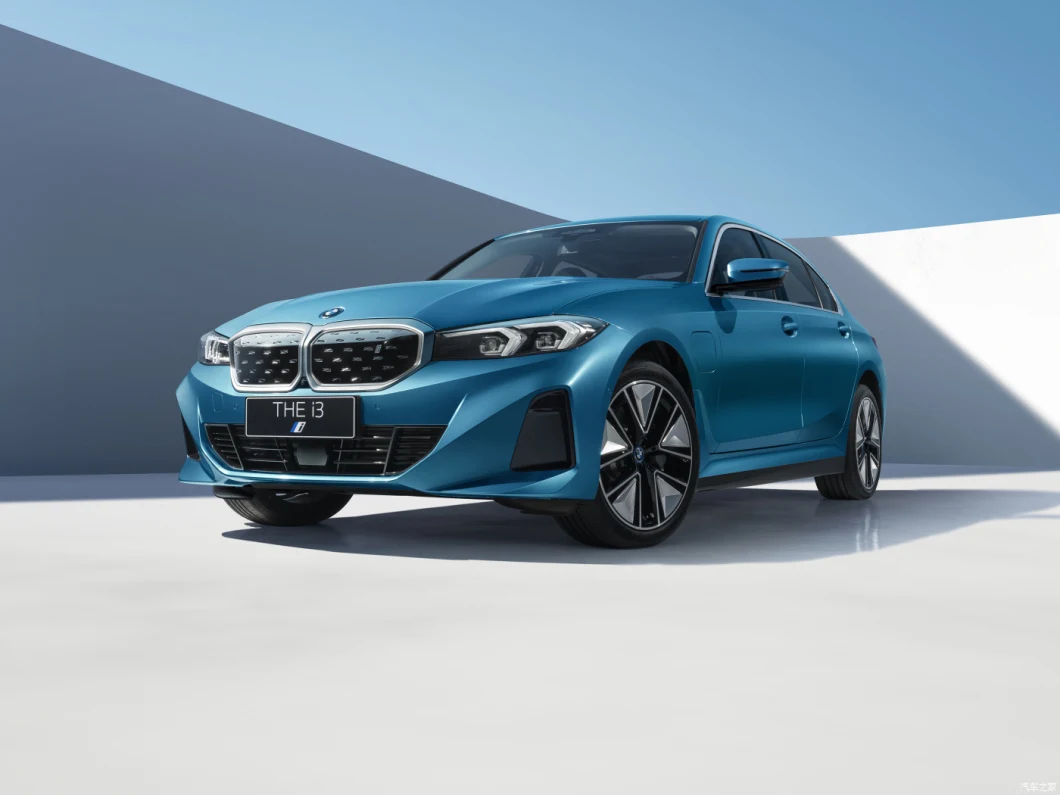
Seats
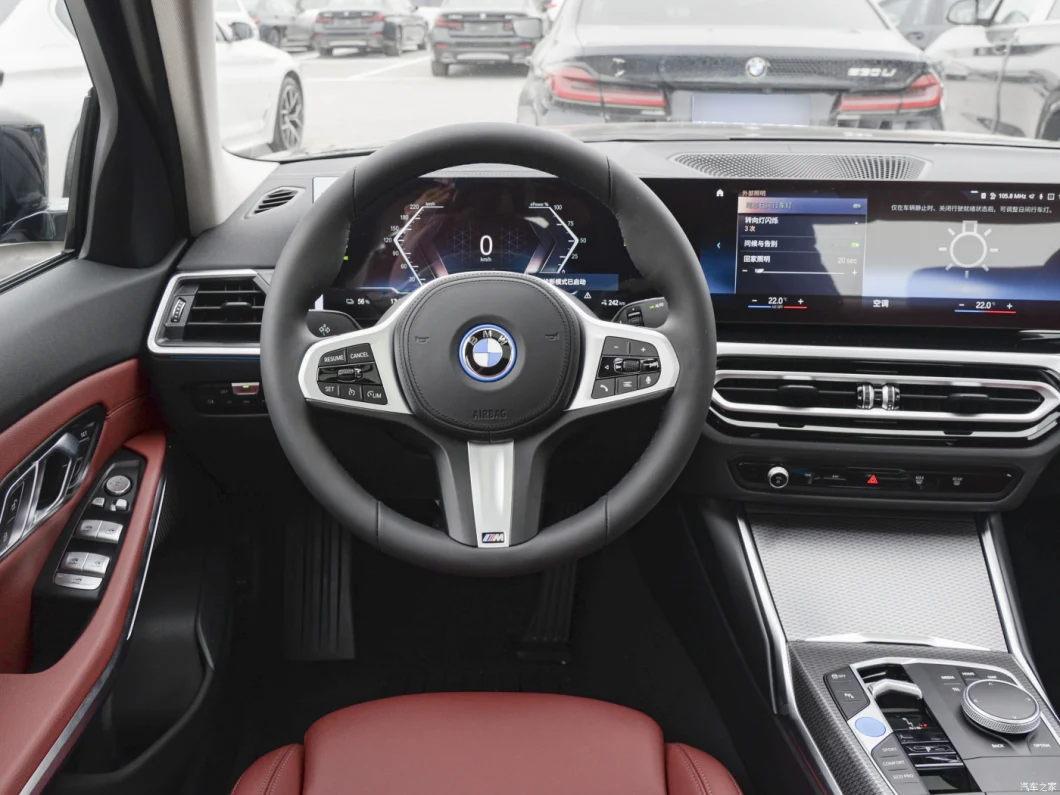
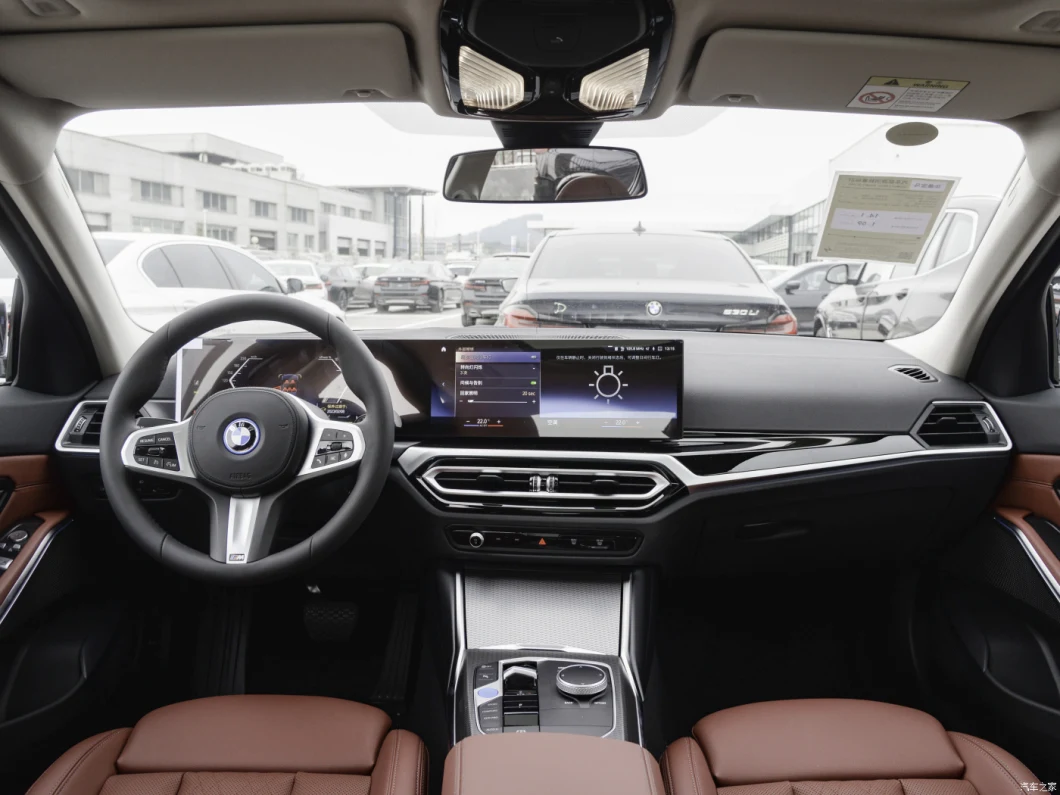
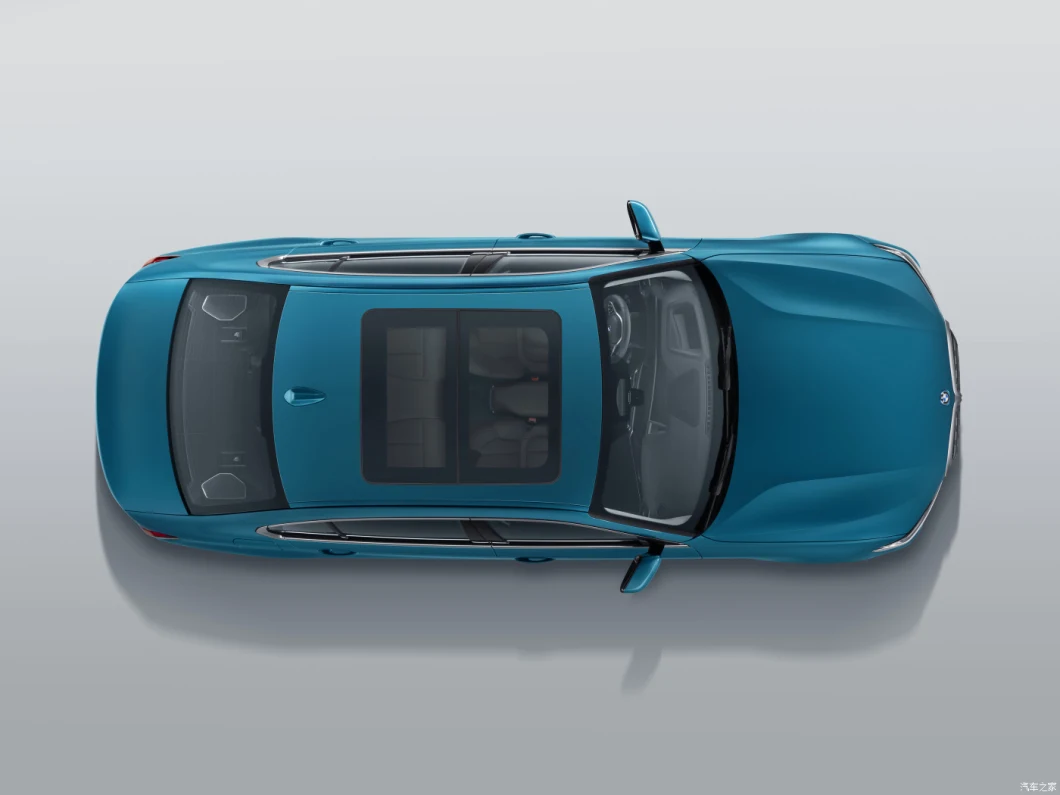
More Details
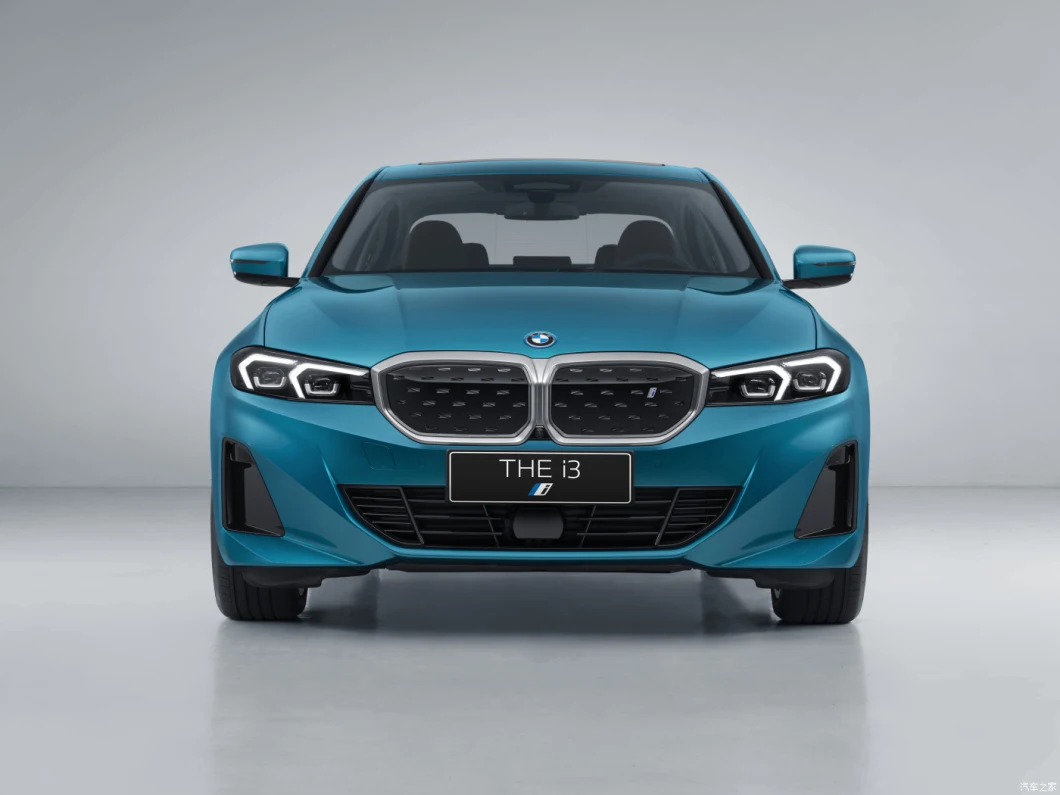
Supplier Information
Chengdu Evertrust Electric Vehicle Co., Ltd
Verified Supplier
Chengdu, Sichuan, China.
Est. 2000
Certifications:
ISO 9001

ev**********02
656 article(s)
Comments
Leave a Comment