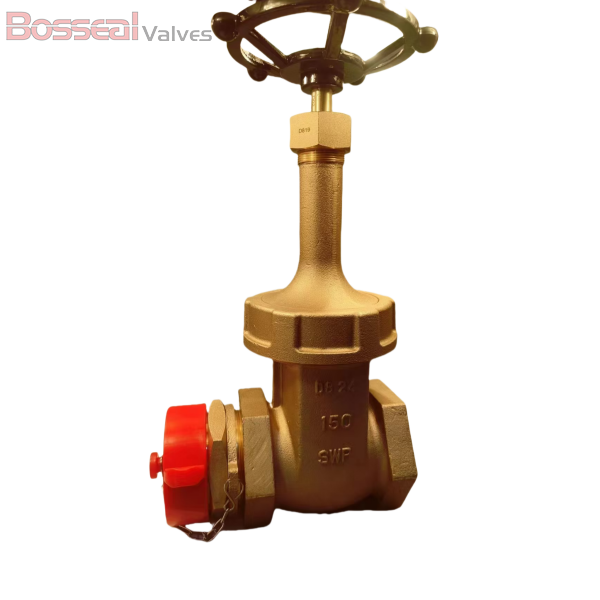
Rising Stem Bronze Gate Valves, C83600, 1-1/2 IN, CL 150 LB
Model Number: 1876016
Key Specifications / Features
As a trusted bronze gate valve provider from China, we offer high-quality valves built to MSS SP-80 standards with an ASTM B62 C83600 body. Our 1-1/2 inch, Class 150 LB gate valves feature a threaded bonnet and the option of a rising or non-rising stem. Designed for full open and close service, these multi-turn valves ensure reliable isolation in pipeline applications. The renewable solid wedge provides enhanced durability, making it ideal for long-lasting performance in various industrial settings.
Detail Information
MSS SP-80 Bronze Gate Valves, 1-1/2 Inch/DN40, Class 150 LB, Threaded Bonnet.
Valve Description:
1876016 Gate Valve
Bore Type: Standard Bore
Design Standard: MSS SP-80
Body Material: ASTM B62 C83600
Nominal Size: 1-1/2 Inch, DN40
Nominal Class: Class 150 LB, PN16
Trim Material: ASTM B62 C83600
Operation: Handwheel
Face to Face: Manufacturer Standard
Test and Inspection: MSS SP-80
Structure: Threaded, Union Bonnet
End Connection: Threaded ASME B1.20.1
Key Features:
1. Renewable solid wedges for enhanced durability.
2. Integral seats for improved sealing performance.
3. High-tensile bronze alloy stems for strength and reliability.
4. Each valve undergoes shell and seat pressure testing by MSS SP-80 industry standards.
5. Options for both rising and non-rising stems are available.
Product Range:
Body Material: Bronze ASTM B62 C83600
Normal Diameter: 1/4-3 Inch (DN6 – DN80)
Pressure Range: Class 125 LB, 150 LB, 200 LB, 300 LB
Operation: Handwheel
Working Temperature: -20°C to +150°C
End Connection: Threaded
Valve Description:
1876016 Gate Valve
Bore Type: Standard Bore
Design Standard: MSS SP-80
Body Material: ASTM B62 C83600
Nominal Size: 1-1/2 Inch, DN40
Nominal Class: Class 150 LB, PN16
Trim Material: ASTM B62 C83600
Operation: Handwheel
Face to Face: Manufacturer Standard
Test and Inspection: MSS SP-80
Structure: Threaded, Union Bonnet
End Connection: Threaded ASME B1.20.1
Key Features:
1. Renewable solid wedges for enhanced durability.
2. Integral seats for improved sealing performance.
3. High-tensile bronze alloy stems for strength and reliability.
4. Each valve undergoes shell and seat pressure testing by MSS SP-80 industry standards.
5. Options for both rising and non-rising stems are available.
Product Range:
Body Material: Bronze ASTM B62 C83600
Normal Diameter: 1/4-3 Inch (DN6 – DN80)
Pressure Range: Class 125 LB, 150 LB, 200 LB, 300 LB
Operation: Handwheel
Working Temperature: -20°C to +150°C
End Connection: Threaded
Supplier Information
Bosseal Valves (Suzhou) Co., Ltd.
Verified Supplier
Suzhou, Jiangsu, China
Est. 2013
Certifications:
API 6D
API 6A
API 600
API 602
API 599
API 609

Eliza
ed***rf
With over five years of experience in foreign trade and B2B sales, she brings a wealth of knowledge and expertise to her role. Her background includes extensive work in international markets, where she has successfully navigated the complexities of cross-border transactions and developed strong relationships with clients. In addition to her sales acumen, she has honed her skills as an editor, ensuring clear, concise, and impactful communication. Her combined experience in sales and editorial work allows her to effectively bridge the gap between product offerings and client needs, driving growth and fostering lasting partnerships.
6707 article(s)
Comments
Leave a Comment