Yea-Sincere Corporation
Are You Keeping Your Condiments in the Wrong Places?

On this page
All kinds of condiments are indispensable in our kitchen, but many people have seldom or never carefully observed the storage methods of these products. For example, do you know that oyster sauce needs to be refrigerated? Recently, a netizen found his oyster sauce was mildewed, and he finally knew that it was supposed to be put in the refrigerator after being opened. In fact, the sentences "Store at room temperature. And please refrigerate after opening." are marked on the outer packing of the bottle, but we would not pay attention to them. Except for oyster sauce, there are some other condiments that need to be stored in the fridge. Now, let us take a look at them.
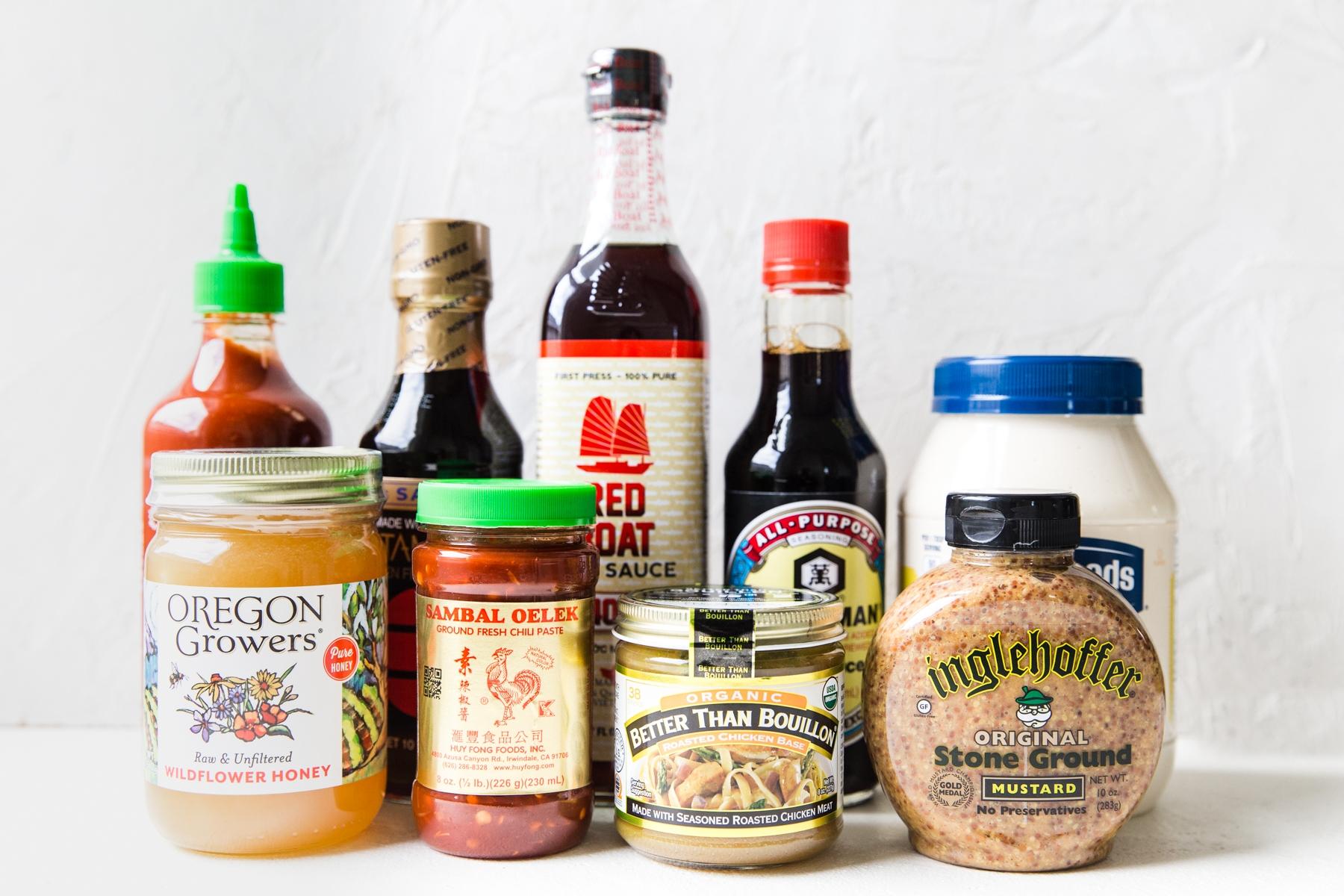
Condiments that need to be refrigerated:
Because of their high liquid content, these condiments are prone to get mildewed at room temperature. Therefore, they ought to be stored in the refrigerator after being opened.
Tips:
1. Keep these condiments sealed well, and separate them from raw foods like raw meat and fish.
2. If the demand for them is relatively small, it is better to purchase condiments in little packets and finish them up within one year.
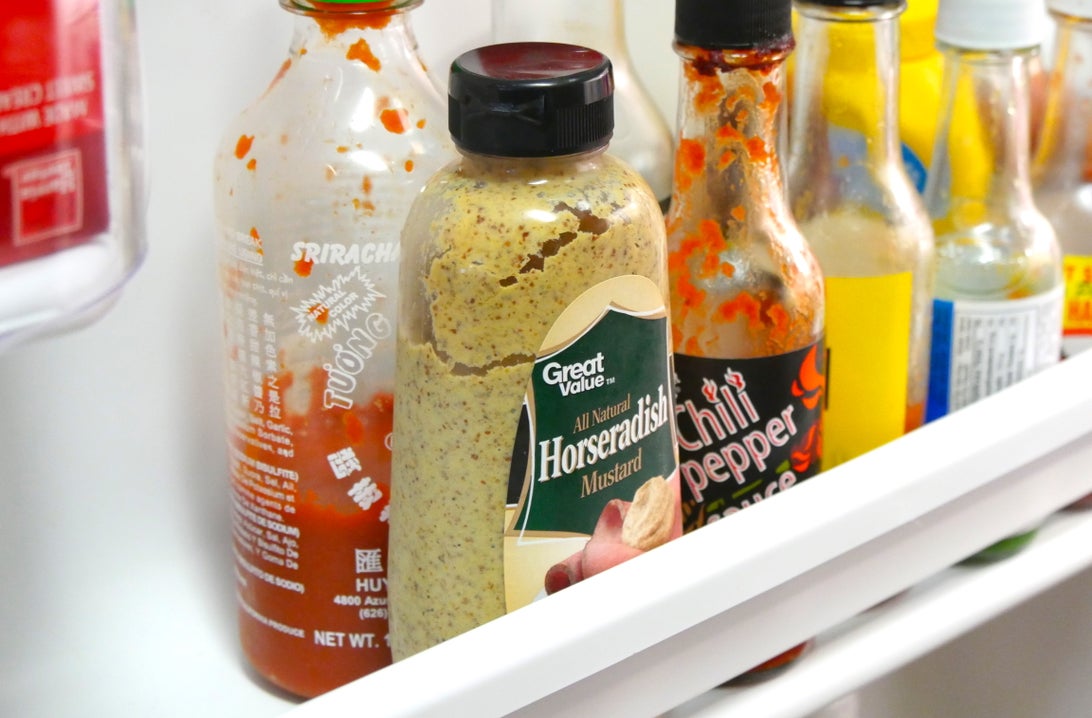
Condiments that can be stored at room temperature:
The reasons why the above-mentioned condiments can be preserved at room temperature are as follow. First, the dried and powdery condiments do not contain too much moisture. Second, seasonings like soy sauce, vinegar and oil are not easy to breed bacteria due to their ingredients and processing technologies.
Tips:
1. Keep away from moisture in use to stop condiments from being affected with damp and going lumpy, otherwise their quality would be declined.
2. Do not put condiments near the cooking stove. It is vulnerable for them to go bad because of the sudden changes in temperatures.
P.S. Fresh condiments like spring onion, ginger, garlic and parsley, which can not be eaten all at once, need to be put into sealed bags and frozen after being prepared (be chopped or cut into sections) to prevent moisture loss.
Condiments that need to be refrigerated:
| Types of Condiments | Main Products |
| Sauces | Oyster Sauce, Ketchup, Soybean Paste (Doenjang), etc |
| Opened Blocky Condiments | Hot Pot Condiment, Curry Roux, etc |
| Fermented Condiments | Fermented Bean Curd, Fermented Black Beans (Douchi), etc |
Because of their high liquid content, these condiments are prone to get mildewed at room temperature. Therefore, they ought to be stored in the refrigerator after being opened.
Tips:
1. Keep these condiments sealed well, and separate them from raw foods like raw meat and fish.
2. If the demand for them is relatively small, it is better to purchase condiments in little packets and finish them up within one year.
Condiments that can be stored at room temperature:
| Types of Condiments | Main Products |
| Dried Spices | Sichuan Pepper, Star Anise, Cinnamon, etc |
| Compound Condiments | Sparerib Seasoning Mix, Seafood Seasoning Powder, etc |
| Unopened Blocky Condiments | Hot Pot Condiment, Curry Roux, etc |
| Powdery Condiments | Salt, Sugar, MSG (Monosodium Glutamate), etc |
| Liquid Condiments | Sou Sauce, Vinegar, Fish Sauce, etc |
| Oils | Peanut Oil, Sesame Oil, etc |
The reasons why the above-mentioned condiments can be preserved at room temperature are as follow. First, the dried and powdery condiments do not contain too much moisture. Second, seasonings like soy sauce, vinegar and oil are not easy to breed bacteria due to their ingredients and processing technologies.
Tips:
1. Keep away from moisture in use to stop condiments from being affected with damp and going lumpy, otherwise their quality would be declined.
2. Do not put condiments near the cooking stove. It is vulnerable for them to go bad because of the sudden changes in temperatures.
P.S. Fresh condiments like spring onion, ginger, garlic and parsley, which can not be eaten all at once, need to be put into sealed bags and frozen after being prepared (be chopped or cut into sections) to prevent moisture loss.