Xiamen Jiayu Optical Co., Ltd.
What is The Role of Lens Coating

On this page
When the lens was first invented, there was no coating. After wearing it for a long time, people found that this lens was not only easy to scratch, but also the reflection of the object was not clear enough, so the hard coating was added, and the anti-reflection coating came into being.
What are the functions and functions of these membranes?
①Add hard film: Resin lenses are easy, safe and comfortable, but they are easy to scratch after wearing for a long time. In order to improve the hardness of the lens, add a layer of anti-wear film on the surface of the lens, which means adding hard film. Increase the hardness of the lens surface to make it more wear-resistant.
②Anti-reflective film: This kind of film makes use of the phenomenon of light fluctuation and interference, and is coated with such a film, which reduces reflection when we look at things, and sees things more clearly. Increase the visible light transmittance and anti-ultraviolet and anti-radiation performance of the lens.
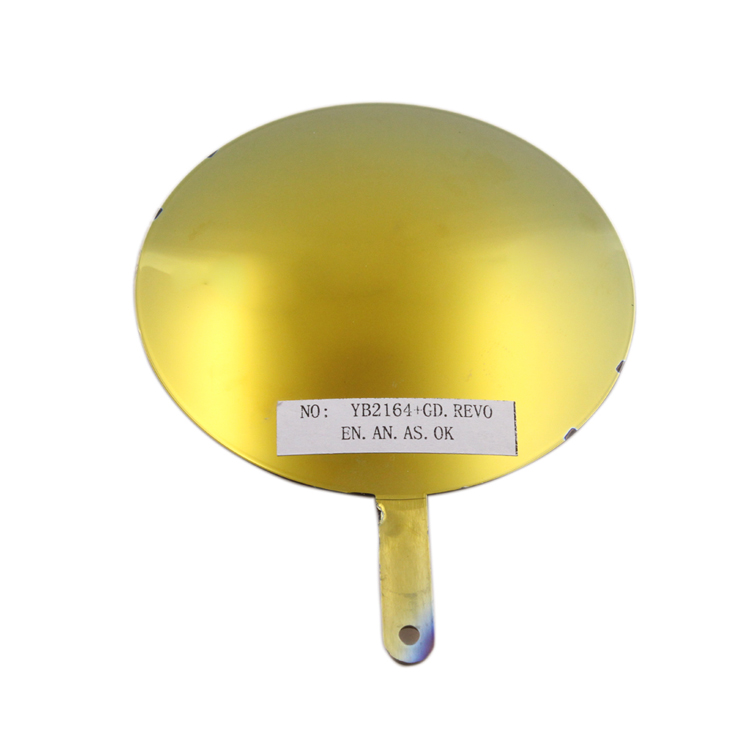
③Top film (commonly known as anti-fouling film): Due to the technical requirements of anti-reflective film, the film has large inter-molecular gaps, and the surface of the lens is easy to contain dirt and dirt, while the material of the anti-fouling film has small molecular particles and small gaps between molecules. Make the surface of the lens more smooth and clean, and increase the functions of waterproof, anti-fog, dust-proof and other anti-pollution functions. The lens coated with anti-reflection film is easy to get dirty and affect the light transmittance, so adding a layer of top film on this basis can reduce oil stains.
④Anti-blue lens: The anti-blue glasses on the market are divided into film reflection and basic absorption. Film reflection means that the lens is coated with a film that reflects short-wave blue light, and the film forms a blue-violet due to the reflection of short-wave blue light. Substrate absorption is through color bleeding technology to make the lens yellow, so as to achieve the effect of absorbing blue light. This kind of lens is yellowish brown and the film layer is generally deep.
How to choose the film layer when fitting glasses?
The film layer of the glasses is tempered layer by layer by scientific means to give the lens different protection. It not only determines the service life and aesthetics, but also determines the clarity of the lens. The coating is stronger than the uncoated, and the functional coating It is stronger than ordinary film.
When choosing lenses, you can choose according to your actual needs. The best one is suitable for you. For example, people who are exposed to many electronic products are recommended to prevent blue light, middle school students and the following recommend peripheral defocus products, and adults should pay attention to ultraviolet rays. And blue light damage, discoloration and anti-blue light are also more suitable; adding a hard film is suitable for the glasses group who pay more attention to the service life of the lens and the wear resistance of the lens; the anti-fouling film is suitable for the glasses group that requires a higher degree of cleanliness of the lens; Green film is the most common film and the most standard anti-reflection film. It can prevent ultraviolet rays, has excellent light transmittance, sees things clearly and naturally, and is comfortable to wear. It is suitable for people with high color requirements and students.
Don't choose a pair of glasses based on the appearance, the one that suits you is the best.
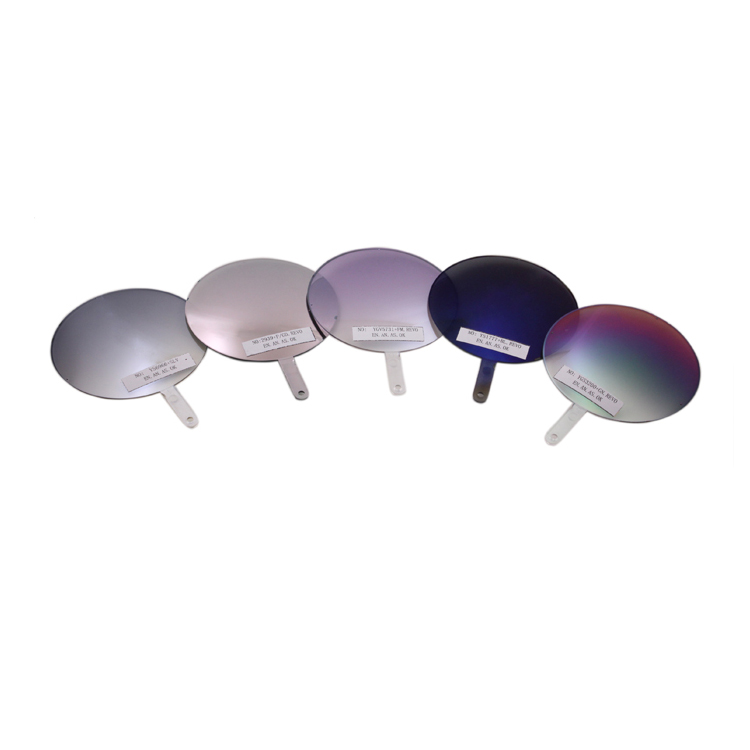
What are the functions and functions of these membranes?
①Add hard film: Resin lenses are easy, safe and comfortable, but they are easy to scratch after wearing for a long time. In order to improve the hardness of the lens, add a layer of anti-wear film on the surface of the lens, which means adding hard film. Increase the hardness of the lens surface to make it more wear-resistant.
②Anti-reflective film: This kind of film makes use of the phenomenon of light fluctuation and interference, and is coated with such a film, which reduces reflection when we look at things, and sees things more clearly. Increase the visible light transmittance and anti-ultraviolet and anti-radiation performance of the lens.
③Top film (commonly known as anti-fouling film): Due to the technical requirements of anti-reflective film, the film has large inter-molecular gaps, and the surface of the lens is easy to contain dirt and dirt, while the material of the anti-fouling film has small molecular particles and small gaps between molecules. Make the surface of the lens more smooth and clean, and increase the functions of waterproof, anti-fog, dust-proof and other anti-pollution functions. The lens coated with anti-reflection film is easy to get dirty and affect the light transmittance, so adding a layer of top film on this basis can reduce oil stains.
④Anti-blue lens: The anti-blue glasses on the market are divided into film reflection and basic absorption. Film reflection means that the lens is coated with a film that reflects short-wave blue light, and the film forms a blue-violet due to the reflection of short-wave blue light. Substrate absorption is through color bleeding technology to make the lens yellow, so as to achieve the effect of absorbing blue light. This kind of lens is yellowish brown and the film layer is generally deep.
How to choose the film layer when fitting glasses?
The film layer of the glasses is tempered layer by layer by scientific means to give the lens different protection. It not only determines the service life and aesthetics, but also determines the clarity of the lens. The coating is stronger than the uncoated, and the functional coating It is stronger than ordinary film.
When choosing lenses, you can choose according to your actual needs. The best one is suitable for you. For example, people who are exposed to many electronic products are recommended to prevent blue light, middle school students and the following recommend peripheral defocus products, and adults should pay attention to ultraviolet rays. And blue light damage, discoloration and anti-blue light are also more suitable; adding a hard film is suitable for the glasses group who pay more attention to the service life of the lens and the wear resistance of the lens; the anti-fouling film is suitable for the glasses group that requires a higher degree of cleanliness of the lens; Green film is the most common film and the most standard anti-reflection film. It can prevent ultraviolet rays, has excellent light transmittance, sees things clearly and naturally, and is comfortable to wear. It is suitable for people with high color requirements and students.
Don't choose a pair of glasses based on the appearance, the one that suits you is the best.