How to Sterilize Pipettes Effectively
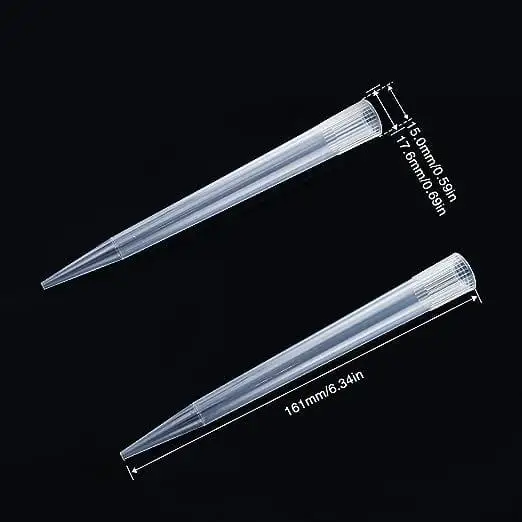
In laboratory experiments requiring precise liquid handling, maintaining sterility is of utmost importance. Pipettes, or pipettors, are indispensable tools in such settings. Ensuring that pipette tips remain sterile is crucial to prevent contamination. Here, we outline various techniques to achieve aseptic pipetting.
- Use Sterilizable Pipettes
Ideally, pipettes that can be autoclaved or otherwise sterilized should be employed. If such pipettes are unavailable, consider using disposable pipette tips.
- Sterilizing Pipette Tips
Before use, sterilize pipette tips by wiping them with 70% ethanol. While pipetting, ensure a slow aspiration and a rapid dispense, limiting the liquid volume to no more than two-thirds of the tip's capacity.
- Cotton Plugs for Extra Protection
To enhance sterility, you can insert a cotton plug into the upper part of the pipette tip before sterilization. This additional safeguard helps minimize the risk of contamination.
- Practice Makes Perfect
Proficiency is key to successful aseptic pipetting. We recommend practicing with common broth media and non-experimental bacteria to hone your skills before conducting formal experiments.
- UV Sterilization
Although mentioned by some, UV sterilization may not be the best option for pipettes. Pipettes often contain organic polymer components, and prolonged exposure to UV light can accelerate aging, making them brittle. Additionally, UV sterilization may not reach all parts of the pipette tip, leaving some areas inadequately disinfected.
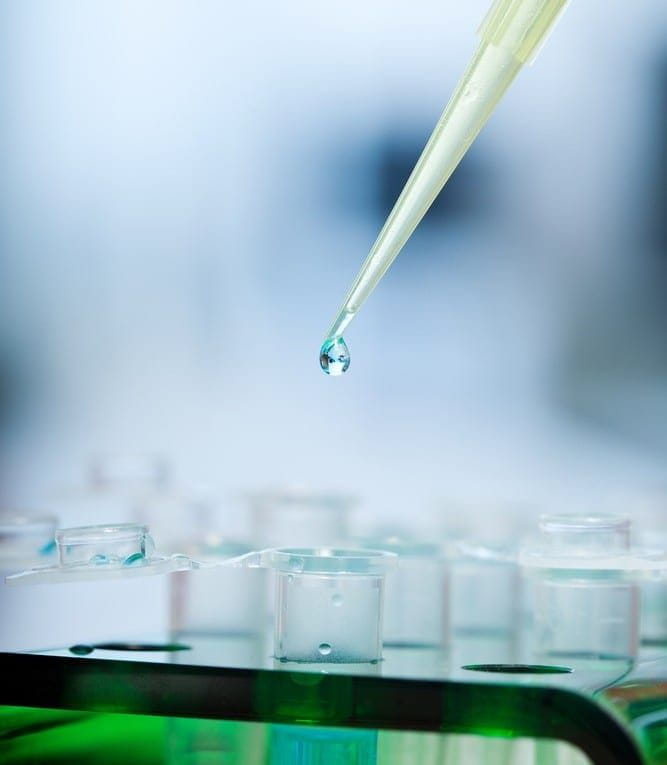
Proper Pipette Maintenance
Regular maintenance is vital for pipettes used in shared laboratory spaces. Follow these steps:
- Routine Cleaning
Clean the external surface of the pipette shaft using a cotton ball soaked in 70% ethanol. Ensure the tip of the pipette is positioned lower than the handle, and with the metal ejector down, clean the lower end.
- In-depth Cleaning
Periodically, disassemble the pipette by removing the metal ejector. Unscrew the white plastic handle section and clean the internal components using ethanol-soaked cotton balls. Carefully clean the narrow regions with a blunt-ended wire if necessary.
By adhering to these guidelines, you can maintain aseptic conditions during pipetting operations, reducing the risk of contamination and ensuring the reliability of your experimental results.