Chengdu Pulse Optics Tech Co., LTd.
Effect of High Quality PCR Plate on Accuracy
On this page
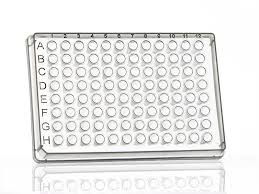
Polymerase Chain Reaction (PCR) is indeed a cornerstone technique in molecular biology, and the quality of PCR plates used can significantly impact experimental outcomes. PCR plates serve as crucial components by containing reaction mixtures during thermal cycling, which is essential for DNA amplification. Here's a breakdown of how PCR plate quality influences reaction efficiency and reproducibility.
Choosing high-quality PCR plates from reputable suppliers is crucial for achieving accurate and reproducible PCR results. These plates ensure consistent thermal performance, minimize contamination risks, and support reliable amplification of DNA sequences. Researchers should prioritize the quality and reliability of PCR plates to enhance the validity of their molecular biology experiments.
High-quality PCR plates ensure uniform heat transfer during thermal cycling. Poor-quality plates may have uneven surfaces or thicknesses, leading to hotspots or temperature gradients. This can cause DNA denaturation in some areas and inefficient amplification.
Inferior PCR plates may not undergo stringent quality control measures, increasing the risk of contamination. Contaminants can lead to non-specific amplification or false-positive results, compromising the accuracy of experiments.
Choosing high-quality PCR plates from reputable suppliers is crucial for achieving accurate and reproducible PCR results. These plates ensure consistent thermal performance, minimize contamination risks, and support reliable amplification of DNA sequences. Researchers should prioritize the quality and reliability of PCR plates to enhance the validity of their molecular biology experiments.