topper
Ball Valve Maintenance: Key Steps to Extend Lifespan and Ensure Performance
On this page
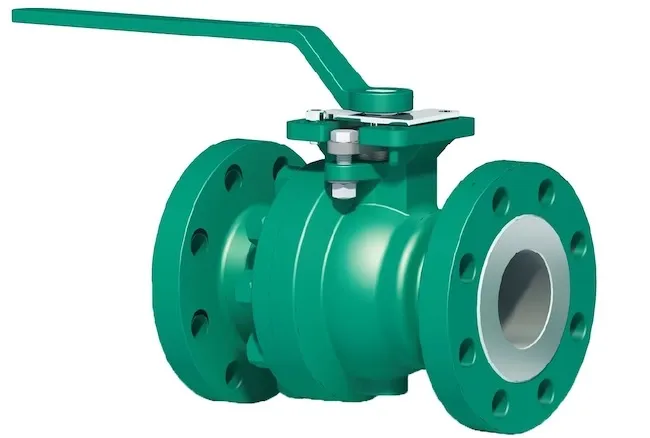
Ball valves are essential components in many industrial systems, prized for their durability, efficiency, and ability to control the flow of liquids and gases. However, like any mechanical equipment, they require regular maintenance to ensure long-term reliability and performance. Proper maintenance not only extends the valve's lifespan but also helps prevent frequent repairs, reduces downtime, and ensures smooth flow control operations. In this article, we will outline the key steps to effectively maintain ball valves and keep them in peak operating condition.

Conducting periodic inspections of the ball valve, even when it's not due for maintenance, can help identify potential issues early. Look for signs of corrosion, wear, or leakage.
When not in use, store spare ball valves and parts in a dry, clean environment to prevent contamination or damage from external factors such as moisture or dust.
If the ball valve is operated manually, ensure that the actuator or handle is functioning properly. Regularly test the valve’s opening and closing functions to avoid stiffness or binding.
Ball valve maintenance, when done correctly, can significantly extend the lifespan of the valve, improve operational efficiency, and reduce the frequency of repairs. By following the outlined steps—ranging from manual valve removal and pressure relief to proper cleaning and lubrication—you can ensure that your ball valves remain in top condition, providing reliable flow control for years to come. Regular maintenance also helps minimize costly downtime, ensuring that your industrial processes run smoothly with minimal interruptions. Investing time in preventive maintenance today will save time and resources in the long run, while also enhancing the safety and reliability of your valve systems.