On this page
With the advent of the era of smart homes, toilets have also become intelligent. At present, intelligent toilets are mainly divided into two types that are instant heating and thermal storage. So what is the difference between them?
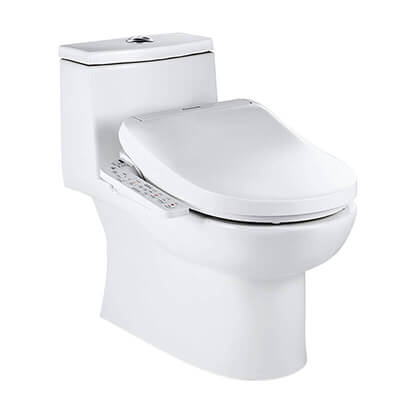
Instant heating generally refers to the heating method of the toilet and the heating speed of the water temperature. The traditional products are thermal storage type with water tanks, which suggests that the water reaches a certain water temperature standard through the heating facility of the water tank, and is supplied according to the demand of the water temperature set by users. In general, as the cleaning time increases, the hot water stored in the water tank is gradually consumed, and the water temperature will continue to drop during the cleaning process. When the cleaning time exceeds 90 seconds, the water temperature decreases significantly and is close to the state of cold water. If people want to continue to use it at this moment, it takes about a few minutes to reheat.
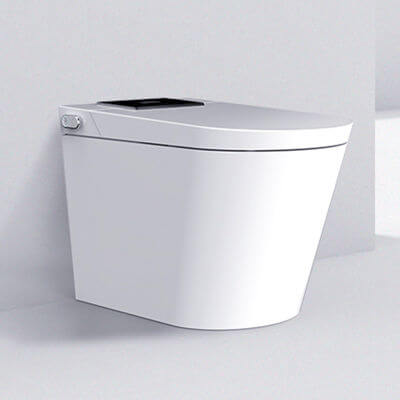
The instant product, which is different from the traditional heating mode of the water tank, adopts the electricity and water separation technology so that the cold water is heated by the heating tube wrapped with the high-temperature resistant insulator within a few seconds, and the temperature is instantly increased to the set comfortable state. When the user presses the button to enter the cleaning mode, the host control panel immediately analyzes the nozzle position, water temperature, flow and pressure of the cleaning mode required by the user. Compared with heat storage products, instant heating bidets are not limited by the cleaning time, and can achieve a continuous flow of hot water for 24 hours, creating a comfortable environment for people.
The differences between instant heating type and thermal storage type are as follow:
1. Heating Method
The biggest difference between these two types of smart toilets is whether there is a water storage tank. Since there is no water tank, the instant heating smart toilet can directly heat the running water. But the heating power is relatively large, so the voltage of some old communities may not be able to reach, and the quality requirement of the circulating water is relatively high.
The heating power of the thermal storage smart toilet is relatively small. Due to the storage tank, it generally works with water pressure adjustment, and the flow of the flushing water is larger. However, the disadvantage is also obvious. The water stored in the water tank for a long time is easy to breed bacteria, so people need to replace the water frequently and clean the water tank regularly.
2. Energy Saving Effect
The instant hot smart toilet is better in the effect of energy-saving, because this type only heats when it is in use, and stops heating when people leave the seat. To maintain the water temperature in the water tank, the thermal storage smart toilet needs to heat continuously for 24 hours. Once the water temperature in the water tank is lower than a certain degree, it will automatically heat up, which consumes more power.
3. Convenience
Without a water storage tank, the instant heating toilet can be used limitlessly as long as the water supply at home is not cut off, with the cleaning time being unlimited. While the water tank capacity of the thermal storage toilet is generally 400-800ml so it cannot be used for a long time. Moreover, the thermal storage smart toilet needs to wait for a period of time to use the warm water function after it is powered off and restarted. And the instant heating type, convenient and timesaving, can be used immediately after the button is pressed.
4. Price
In terms of price, the instant hot smart toilet is more expensive. For example, under the conditions of the same grade, the instant heating smart toilet cover may be several hundred or even one or two thousand yuan more expensive than the thermal storage one even if they are of the same brand. Therefore, if the budget is limited, choose a thermal storage smart toilet. On the contrary, the instant heating smart toilet is definitely the first choice.
5. Security
The heating device the thermal storage smart toilet is directly put in the water so that there are potential safety risks. Once the safety protection technology is poor, accidents such as water leakage and electricity leakage will bring a great threat to users' security.
The instant heating smart toilet uses a ring-shaped ceramic heating rod with the built-in heating element, isolating the element from the water and playing the role of protecting and insulating. At the same time, the instant heating type is also equipped with protection devices such as electricity leakage protector, safety thermal cut-off, over-pressure protector and anti-dry protector, with the safety factor being relatively high.
Summary: From the perspective of health, safety and energy-saving, it is recommended to use an instant-heat smart toilet. But if the budget is limited, the thermal storage smart toilet is more economical. In fact, whether it is instant heat or heat storage type, each has its own advantages and disadvantages, and people should purchase it according to the actual situation.
Instant heating generally refers to the heating method of the toilet and the heating speed of the water temperature. The traditional products are thermal storage type with water tanks, which suggests that the water reaches a certain water temperature standard through the heating facility of the water tank, and is supplied according to the demand of the water temperature set by users. In general, as the cleaning time increases, the hot water stored in the water tank is gradually consumed, and the water temperature will continue to drop during the cleaning process. When the cleaning time exceeds 90 seconds, the water temperature decreases significantly and is close to the state of cold water. If people want to continue to use it at this moment, it takes about a few minutes to reheat.
The instant product, which is different from the traditional heating mode of the water tank, adopts the electricity and water separation technology so that the cold water is heated by the heating tube wrapped with the high-temperature resistant insulator within a few seconds, and the temperature is instantly increased to the set comfortable state. When the user presses the button to enter the cleaning mode, the host control panel immediately analyzes the nozzle position, water temperature, flow and pressure of the cleaning mode required by the user. Compared with heat storage products, instant heating bidets are not limited by the cleaning time, and can achieve a continuous flow of hot water for 24 hours, creating a comfortable environment for people.
 |
 |
The differences between instant heating type and thermal storage type are as follow:
1. Heating Method
The biggest difference between these two types of smart toilets is whether there is a water storage tank. Since there is no water tank, the instant heating smart toilet can directly heat the running water. But the heating power is relatively large, so the voltage of some old communities may not be able to reach, and the quality requirement of the circulating water is relatively high.
The heating power of the thermal storage smart toilet is relatively small. Due to the storage tank, it generally works with water pressure adjustment, and the flow of the flushing water is larger. However, the disadvantage is also obvious. The water stored in the water tank for a long time is easy to breed bacteria, so people need to replace the water frequently and clean the water tank regularly.
2. Energy Saving Effect
The instant hot smart toilet is better in the effect of energy-saving, because this type only heats when it is in use, and stops heating when people leave the seat. To maintain the water temperature in the water tank, the thermal storage smart toilet needs to heat continuously for 24 hours. Once the water temperature in the water tank is lower than a certain degree, it will automatically heat up, which consumes more power.
3. Convenience
Without a water storage tank, the instant heating toilet can be used limitlessly as long as the water supply at home is not cut off, with the cleaning time being unlimited. While the water tank capacity of the thermal storage toilet is generally 400-800ml so it cannot be used for a long time. Moreover, the thermal storage smart toilet needs to wait for a period of time to use the warm water function after it is powered off and restarted. And the instant heating type, convenient and timesaving, can be used immediately after the button is pressed.
4. Price
In terms of price, the instant hot smart toilet is more expensive. For example, under the conditions of the same grade, the instant heating smart toilet cover may be several hundred or even one or two thousand yuan more expensive than the thermal storage one even if they are of the same brand. Therefore, if the budget is limited, choose a thermal storage smart toilet. On the contrary, the instant heating smart toilet is definitely the first choice.
5. Security
The heating device the thermal storage smart toilet is directly put in the water so that there are potential safety risks. Once the safety protection technology is poor, accidents such as water leakage and electricity leakage will bring a great threat to users' security.
The instant heating smart toilet uses a ring-shaped ceramic heating rod with the built-in heating element, isolating the element from the water and playing the role of protecting and insulating. At the same time, the instant heating type is also equipped with protection devices such as electricity leakage protector, safety thermal cut-off, over-pressure protector and anti-dry protector, with the safety factor being relatively high.
Summary: From the perspective of health, safety and energy-saving, it is recommended to use an instant-heat smart toilet. But if the budget is limited, the thermal storage smart toilet is more economical. In fact, whether it is instant heat or heat storage type, each has its own advantages and disadvantages, and people should purchase it according to the actual situation.