Aluminum 3003 Coil: Powering the Green Energy Future
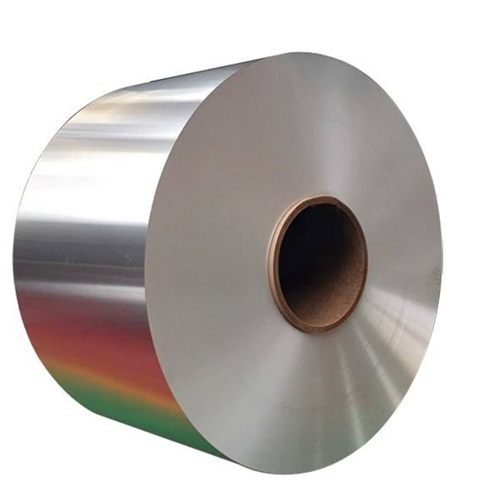
The global energy landscape is undergoing a fundamental transformation as countries and industries accelerate their transition toward cleaner and more sustainable energy solutions. Driven by ambitious carbon reduction targets and the rapid development of green technologies, sectors such as new energy vehicles (NEVs), solar photovoltaic (PV) power, wind energy, and energy storage are expanding at an unprecedented pace. Behind this large-scale energy revolution, advanced materials are playing a crucial role in improving efficiency, safety, and sustainability.
Among these materials, 3003 aluminum coil has become an increasingly important choice for new energy applications. Although it is a traditional aluminum alloy, its combination of corrosion resistance, moderate strength, excellent thermal conductivity, lightweight characteristics, and outstanding formability allows it to meet the demanding requirements of modern energy equipment. From electric vehicle battery systems to solar modules and energy storage enclosures, 3003 aluminum coil provides reliable performance and long-term durability.
As pipe industries and other businesses continue to pursue lightweight design, improved energy efficiency, and environmentally friendly manufacturing, 3003 aluminum alloy is expected to become an even more valuable material in the global green energy transition.
3003 aluminum alloy belongs to the Al-Mn (aluminum-manganese) alloy series and is widely recognized as a non-heat-treatable alloy with excellent corrosion resistance and processing performance. Unlike pure aluminum, which has limited mechanical strength, 3003 aluminum gains improved strength through the addition of manganese while maintaining excellent ductility.
The main chemical composition of 3003 aluminum alloy includes:
* Aluminum as the primary element
* Manganese content of approximately 0.6%–1.2%
* Silicon content generally around 0.4%–1.0%
The controlled addition of manganese improves the alloy’s strength and corrosion resistance without significantly reducing its formability. Slight variations in chemical composition can influence mechanical performance, making proper material selection important for different industrial applications.
In the annealed condition, 3003 aluminum typically provides:
* Tensile strength: approximately 150–350 MPa
* Elongation: around 15%–35%
This balanced performance makes it suitable for applications requiring both structural reliability and complex forming capabilities.
One of the most important advantages of 3003 aluminum coil is its outstanding corrosion resistance. The manganese element helps improve the alloy’s ability to withstand environmental exposure, allowing it to perform reliably in humid, outdoor, and chemically challenging environments.
Compared with many conventional metals, aluminum naturally forms a protective oxide layer on its surface. This oxide film prevents further oxidation and provides long-term protection against corrosion.
This feature is especially valuable in new energy industries because many components are exposed to:
* Rainwater and moisture
* Temperature fluctuations
* Outdoor environments
* Chemical contaminants
For example, solar panels, wind turbines, and electric vehicle battery systems often operate in harsh conditions where material reliability directly affects service life.
Another key advantage of 3003 aluminum coil is its excellent workability. The alloy can be easily processed through:
* Rolling
* Stamping
* Bending
* Deep drawing
* Welding
* Cutting
This flexibility allows manufacturers to create complex components with precise dimensions and lightweight structures.
In the new energy sector, where product designs are constantly evolving, materials must adapt to increasingly complicated shapes and manufacturing requirements. 3003 aluminum meets these challenges by offering excellent plasticity without sacrificing durability.
New energy vehicles rely heavily on battery systems, and thermal management has become one of the most critical engineering challenges. During operation, lithium-ion batteries generate heat through charging and discharging processes. Excessive temperatures can reduce battery efficiency, shorten service life, and even create safety risks.
Because of its good thermal conductivity, lightweight structure, and corrosion resistance, 3003 aluminum coil has become an ideal material for EV thermal management components.
Common applications include:
* Battery cases
* Battery covers
* Cooling plates
* Heat dissipation components
By helping transfer heat efficiently, 3003 aluminum supports stable battery operation and improves overall vehicle reliability.
The battery pack is one of the heaviest components in an electric vehicle. Reducing battery system weight is essential for improving driving range and energy efficiency.
3003 aluminum coil provides several advantages for battery enclosure manufacturing:
Lightweight Construction
Aluminum has a much lower density than steel, helping reduce vehicle weight while maintaining sufficient structural protection.
Strong Corrosion Protection
Battery systems must remain protected against moisture, road salt, and environmental exposure. The corrosion resistance of 3003 aluminum helps extend battery system durability.
Excellent Formability
Battery enclosures often require complex designs to accommodate different vehicle platforms. The excellent forming ability of 3003 aluminum allows manufacturers to produce customized structures efficiently.
Through these advantages, 3003 aluminum contributes to safer and more efficient electric vehicles.
Thermal management systems often use water-cooled plates to remove excess heat from batteries and electronic components. These cooling plates require materials with:
* High thermal conductivity
* Good mechanical strength
* Corrosion resistance
* Manufacturing flexibility
3003 aluminum meets these requirements effectively.
Its thermal conductivity allows coolant channels to absorb and transfer heat efficiently, maintaining battery temperatures within an optimal operating range. This improves battery performance, extends service life, and enhances vehicle safety.
Solar photovoltaic systems operate outdoors for decades, meaning their components must withstand continuous exposure to sunlight, rain, wind, and temperature changes.
3003 aluminum coil is widely used in photovoltaic applications because it provides:
* Excellent corrosion resistance
* Lightweight properties
* Good thermal conductivity
* High structural stability
Solar panel systems require materials that can maintain performance over long periods. Aluminum components made from 3003 alloy help protect PV structures while reducing overall system weight.
Thermal management is also important in photovoltaic systems. Excessive heat can reduce solar panel efficiency. The thermal conductivity of 3003 aluminum helps dissipate heat and maintain more stable operating temperatures.
Wind turbines operate in some of the most demanding environments, including offshore areas and high-altitude locations. Components must withstand:
* Strong winds
* Continuous vibration
* Humidity
* Temperature changes
3003 aluminum alloy offers the corrosion resistance and mechanical stability required for these conditions.
Although modern turbine blades are often manufactured from composite materials, aluminum alloys remain important in various wind power structural components, covers, support parts, and thermal management applications.
The lightweight nature of aluminum also helps reduce structural loads, improving equipment efficiency and service life.
Energy storage technology has become a key part of renewable energy development. Large-scale battery storage systems help balance electricity supply and demand by storing excess energy generated from renewable sources.
Battery enclosures and structural components require materials that provide:
* Mechanical protection
* Heat dissipation capability
* Corrosion resistance
* Lightweight design
3003 aluminum coil is well suited for these requirements.
Battery containers manufactured from 3003 aluminum provide reliable protection against external environmental conditions while maintaining efficient thermal performance.
Weight reduction is becoming increasingly important in energy storage equipment. Lighter systems are easier to transport, install, and maintain.
The lightweight characteristics of 3003 aluminum help reduce the overall weight of energy storage structures without compromising strength.
Additionally, aluminum is highly recyclable. The ability to recycle and reuse aluminum materials supports the sustainability goals of the renewable energy industry.
By combining performance advantages with environmental benefits, 3003 aluminum contributes to the creation of greener energy storage solutions.
The rapid expansion of electric vehicles, renewable power generation, and energy storage systems is creating strong demand for advanced lightweight materials.
As manufacturers continue improving product efficiency and reducing carbon emissions, materials like 3003 aluminum alloy will become increasingly important.
Future applications may expand in areas such as:
* Next-generation electric vehicles
* Advanced battery systems
* Smart energy infrastructure
* Large-scale renewable energy equipment
The future of energy depends not only on renewable technologies but also on the materials used to build them. A successful green energy transition requires materials that combine performance, durability, and environmental responsibility.
3003 aluminum coil represents this balance. Its corrosion resistance, thermal conductivity, lightweight structure, and recyclability make it an ideal material for modern energy applications.
From electric vehicles on the road to solar farms and energy storage stations around the world, 3003 aluminum is quietly supporting the infrastructure of a cleaner future.
3003 aluminum coil has evolved from a traditional industrial material into an essential component of the new energy revolution. Its unique combination of corrosion resistance, moderate strength, excellent formability, thermal performance, and recyclability allows it to meet the complex demands of modern energy industries.
Whether used in electric vehicle battery systems, photovoltaic equipment, wind power structures, or energy storage solutions, 3003 aluminum provides reliable support for safer, lighter, and more sustainable technologies.
As global demand for clean energy continues to grow, 3003 aluminum alloy will remain an important material driving innovation and accelerating the transition toward a low-carbon future.
