Flange Leakage: Causes and Solutions
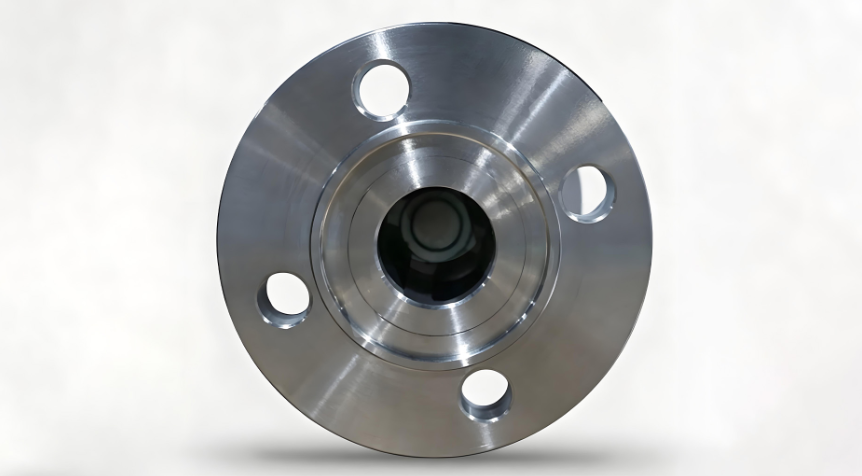
In industrial piping systems, flange connections play a critical role in equipment connection, pipeline assembly, and fluid sealing. They are widely used in industries such as oil and gas, chemical processing, power generation, water treatment, shipbuilding, and manufacturing because they allow convenient installation, maintenance, and equipment replacement.
However, flange leakage remains one of the most common operational problems in industrial piping systems. A leaking flange can lead to:
- Loss of valuable process media
- Reduced system efficiency
- Environmental pollution
- Equipment damage
- Potential safety hazards
For systems transporting hazardous, high-temperature, or high-pressure fluids, flange leakage may even create serious operational risks.
Many people assume that flange leakage is simply caused by damaged gaskets. However, in practical engineering applications, leakage is usually the result of multiple factors acting together, including sealing materials, flange surface conditions, bolt loading, installation quality, and actual operating conditions.
Understanding the complete sealing mechanism is essential for preventing leakage and improving piping system reliability.
A complete flange sealing structure generally consists of:
- Flange body
- Gasket
- Bolts and nuts
- Sealing surface
- Related accessories
Each component has a specific function in maintaining sealing performance.
The flange provides structural support and connection strength. The gasket fills microscopic irregularities between sealing surfaces. Bolts generate the necessary compression force to keep the gasket compressed between flange faces.
The combined performance of these components determines whether a flange connection can maintain long-term sealing reliability.
The key factor controlling flange sealing performance is sealing contact pressure.
When bolts are tightened, they create preload force that compresses the gasket. This compression generates sealing pressure between the gasket and flange surfaces.
A reliable flange connection requires:
- Sufficient sealing pressure
- Uniform pressure distribution
- Stable compression over time
If the sealing pressure becomes too low, leakage channels may form, allowing fluid to escape through microscopic gaps.
Therefore, flange sealing is not only related to gasket quality but also depends on whether the entire system can maintain stable compression during operation.
The gasket is one of the most important sealing components in a flange connection.
During long-term operation, gasket materials may experience:
- Aging
- Hardening
- Softening
- Cracking
- Permanent deformation
These changes reduce the gasket's ability to maintain sealing pressure.
For example, a gasket suitable for normal-temperature water service may fail when exposed to high-temperature steam or aggressive chemicals.
Selecting the correct gasket material according to operating conditions is essential.
Important factors include:
- Temperature range
- Pressure rating
- Chemical compatibility
- Fluid characteristics
Different industrial applications require different gasket materials.
Common gasket types include:
- PTFE gaskets
- Spiral wound gaskets
- Rubber gaskets
- Graphite gaskets
- Metal gaskets
A gasket must match the service environment.
For example:
- PTFE provides excellent chemical resistance
- Graphite performs well under high temperatures
- Metal gaskets are suitable for extreme pressure conditions
Using an unsuitable gasket material may result in premature failure even if installation is correct.
The flange sealing surface directly affects gasket contact quality.
Common surface problems include:
- Scratches
- Dents
- Corrosion pits
- Erosion damage
- Uneven machining
These defects prevent the gasket from fully contacting the flange surface.
Even if bolts are tightened properly, damaged sealing surfaces may still create leakage paths.
Long-term exposure to corrosive media can gradually damage flange surfaces.
Common causes include:
- Chemical attack
- Saltwater exposure
- Moisture
- Industrial pollutants
Corroded flange faces may lose their original sealing geometry, reducing connection reliability.
Regular inspection is important for systems operating in corrosive environments.
Bolts provide the force required to compress the gasket.
If bolt preload is insufficient, the gasket cannot maintain adequate sealing pressure.
Possible causes include:
- Incorrect tightening procedure
- Improper torque value
- Poor installation practices
- Bolt relaxation over time
Insufficient preload is one of the most common causes of flange leakage.
Even if the total bolt force is adequate, uneven distribution can still cause leakage.
For example, if some bolts are tightened more than others:
- Certain areas receive excessive compression
- Other areas remain under-compressed
This creates an uneven sealing surface and allows leakage channels to develop.
Proper tightening procedures usually require:
- Cross-pattern tightening
- Multiple tightening stages
- Torque control
These methods help achieve uniform gasket compression.
Static conditions are relatively easy for flange systems to handle.
The real challenge comes from repeated temperature changes.
During heating and cooling cycles:
- Flanges expand and contract
- Bolts change length
- Gaskets experience compression changes
Because different materials have different expansion rates, thermal cycling can gradually reduce sealing pressure.
This phenomenon is especially common in:
- Steam pipelines
- Heat exchanger connections
- High-temperature process systems
High temperatures can accelerate:
- Gasket aging
- Bolt relaxation
- Material degradation
For high-temperature applications, flange design must consider:
- Suitable gasket materials
- Correct bolt materials
- Thermal expansion effects
Sudden pressure changes can place significant stress on flange connections.
Examples include:
- Pump startup
- Valve rapid opening or closing
- Water hammer effects
These pressure shocks may temporarily exceed the sealing capacity of the flange system.
Repeated pressure impacts can gradually weaken sealing performance.
Equipment vibration is another important factor.
Common sources include:
- Pumps
- Compressors
- Rotating machinery
- Pipeline flow instability
Continuous vibration may cause:
- Bolt loosening
- Gasket movement
- Fatigue damage
Over time, these effects can lead to intermittent or continuous leakage.
Proper alignment is essential for uniform gasket compression.
Common installation errors include:
- Flange centerline mismatch
- Uneven positioning
- Forced connection during assembly
Misalignment causes uneven loading and prevents the gasket from sealing properly.
The two flange faces should be:
- Parallel
- Properly aligned
- Free from excessive deformation
Angular misalignment can create localized stress areas, reducing sealing performance.
A professional tightening procedure is essential for flange reliability.
Recommended practices include:
- Checking bolt condition
- Applying proper torque
- Following correct tightening sequences
- Confirming final preload
Random tightening methods often result in uneven compression.
During installation, workers should prevent:
- Scratching sealing surfaces
- Contaminating gasket faces
- Improper gasket positioning
Small installation mistakes can significantly reduce long-term sealing performance.
Gasket selection should consider:
- Medium characteristics
- Temperature
- Pressure
- Chemical compatibility
A correctly selected gasket improves reliability and reduces maintenance requirements.
The flange system should be designed as a complete package.
Material compatibility helps prevent:
- Corrosion
- Thermal stress problems
- Mechanical failure
Standardized installation improves consistency.
Important steps include:
- Surface inspection
- Correct gasket placement
- Controlled bolt tightening
- Final verification
Professional procedures reduce human error.
Modern industries increasingly use controlled tightening technologies.
Examples include:
- Hydraulic bolt tensioning
- Digital torque tools
- Automated tightening systems
These methods improve bolt load accuracy and sealing reliability.
Preventive inspection helps identify early problems.
Inspection methods include:
- Visual checks
- Pressure testing
- Temperature monitoring
- Leakage detection systems
Early intervention prevents small issues from becoming major failures.
Flange components should be replaced when necessary.
Replacement may include:
- Old gaskets
- Damaged bolts
- Corroded flange parts
Preventive replacement is often more economical than emergency repair.
Material development continues to improve flange reliability.
Modern gasket technologies provide:
- Better temperature resistance
- Improved chemical resistance
- Higher compression stability
These materials extend service life under demanding conditions.
Digital monitoring technologies are becoming increasingly important.
Smart systems can monitor:
- Bolt load changes
- Temperature variation
- Leakage signals
- Pressure conditions
This enables predictive maintenance and reduces unexpected failures.
Flange leakage is not caused by a single factor but by the interaction of sealing materials, flange conditions, bolt loading, installation quality, and operating environment.
A reliable flange connection requires more than simply preventing leakage during installation. The real goal is maintaining stable sealing performance throughout long-term operation under changing conditions.
By selecting suitable gaskets, improving installation practices, controlling bolt preload, monitoring operating conditions, and applying advanced technologies, industries can significantly reduce flange leakage risks.
From sealing surface design to real operating conditions, a systematic understanding of flange sealing mechanisms is the key to building safer, more efficient, and more reliable industrial piping systems.
