Shanghai Jonloo Machine MFG Co., Ltd.
How to Verify the Safety of an Industrial Fluid System
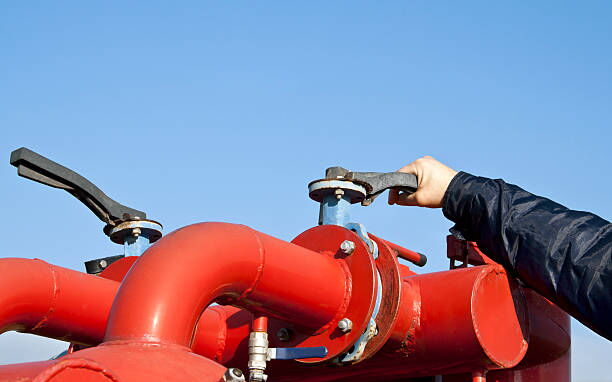
On this page
The terms hydraulic and pneumatic technologies that use a fluid—a liquid or a gas—to move power from one place to another are referred to as fluid power. These are various power transmission techniques that convert energy into useful energy and deliver it to the necessary places.
The three most common means of transmitting power are mechanical, electrical, and hydraulic systems. Systems for fluid power can be applied in nearly any field or circumstance. But the industries that use it the most are mining, packaging, healthcare, aerospace, offshore/marine, robotics, automation, etc. The best option is to get the fluid systems from reputable valve manufacturers, such as JONLOO valve.
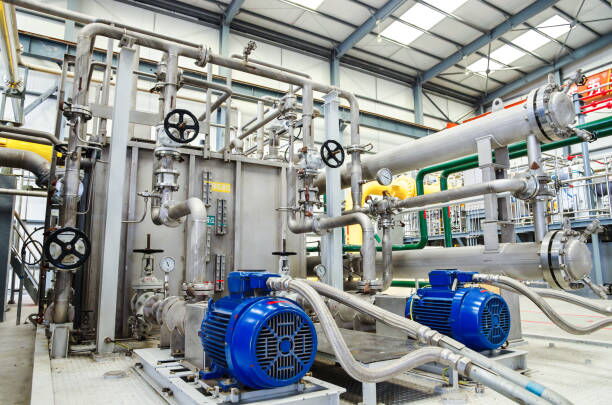
There are two types of fluid power systems: hydraulic (liquid) and pneumatic (gas). Systems for industrial fluid power are used to transfer power and regulate motion for industrial equipment. They are used in many different applications, including as robotics, construction, heavy machinery, and car braking systems.
Linear motion is produced by the hydraulic or pneumatic cylinders utilized in fluid power systems. Fluid power systems can be effectively connected to other technologies through the use of transducers, sensors, and microprocessors. Fluid power motors and cylinders won't overload when operating at low speeds or when locked. They are less likely to accidentally start fires in combustible areas.
Fluid power control systems are often easier to understand and troubleshoot than electric ones. They are safe to use in underwater or submerged environments. A reputable industrial ball valve manufacturer's fluid power systems have a little chance of arc flash, fire, etc. It is used in power mobile equipment as well as military and commercial aviation applications.
Fluid power systems typically maintain a far smaller physical footprint than mechanical or electrical drives. By using control valves, they also offer accurate and effective torque, force, direction, and speed control. There is little to no risk of sparks, electrical shock, or explosions with fluid power systems because they often do not require electrical power.
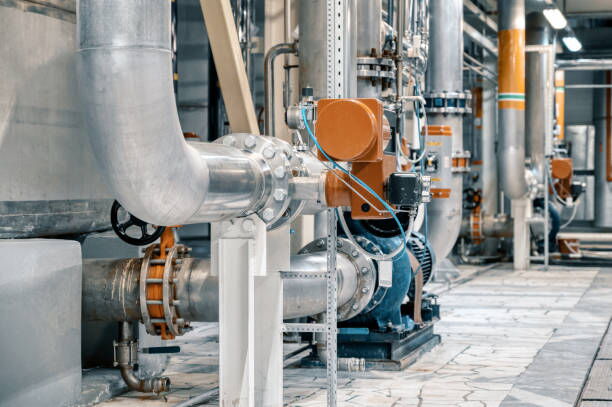
Many parts, including cylinders, pumps, valves, fittings, hoses, gauges, filters, sensors, seals, reservoirs, and so on, are still part of the fluid power process system. Nevertheless, the reservoir/receiver, valve, pump/compressor, and actuators are the primary parts of the hydraulic and pneumatic fluid power systems.
There will be problems with aeration and other things like trapped air in the fluid. The reservoir's purpose is to cool pressurized liquid and release trapped air. In order to prevent overfilling, the system also includes extra space. The filler neck rim determines the maximum fill level of the reservoir. By checking the fluid level, overfilling can also be prevented.
A compressor or pump lowers the air volume in pneumatic systems in order to increase pressure. This pump raises the air compression's PSI and can run on gas or electricity. Compressors have a tank attached to store the air before it is released into the pneumatic track. An air compressor is one specific kind of gas compressor.
In pneumatic systems, valves control the airflow to ensure that the air expelled is at the right pressure for the equipment. One-way valves are fastened to the tubing that connects the buffer tank and the compressor. They permit pressurized air to build up in the buffer tanks while preventing backflow into the compressor tank.
Pneumatic system actuators transform stored potential energy in the reservoir back into kinetic energy. They usually use a piston to move forward and backward. Actuators of many types are powered by pressurized air. The two most commonly used varieties are cylinder and plunge.
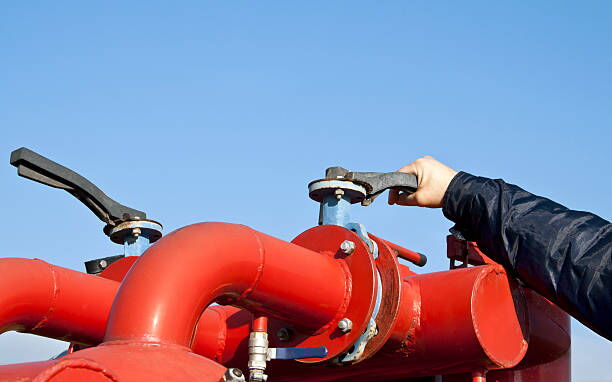
To ensure that industrial fluid systems function to their maximum potential, control techniques are essential.
Furthermore, by color-coding tubes, handles, and pipes, staff members at your facility can identify the fluids or gasses flowing through them more rapidly and with less error potential. A critical process valve can have a lockout fitted to it to assist prevent accidental activation and eliminate any safety concerns.
Fluid power systems have a wide range of applications because they are utilized in many different industries, such as electronics, aerospace, industrial machinery, and more. To maintain the fluid power systems' functionality, the right parts must be acquired.
For fluid power system components that are long-lasting and robust, it is important to order them from a reputable manufacturer. For reasonably priced industrial valves for the hydraulic and pneumatic systems, be sure to get in touch with JONLOO, the manufacturer of valves.
The three most common means of transmitting power are mechanical, electrical, and hydraulic systems. Systems for fluid power can be applied in nearly any field or circumstance. But the industries that use it the most are mining, packaging, healthcare, aerospace, offshore/marine, robotics, automation, etc. The best option is to get the fluid systems from reputable valve manufacturers, such as JONLOO valve.
There are two types of fluid power systems: hydraulic (liquid) and pneumatic (gas). Systems for industrial fluid power are used to transfer power and regulate motion for industrial equipment. They are used in many different applications, including as robotics, construction, heavy machinery, and car braking systems.
Linear motion is produced by the hydraulic or pneumatic cylinders utilized in fluid power systems. Fluid power systems can be effectively connected to other technologies through the use of transducers, sensors, and microprocessors. Fluid power motors and cylinders won't overload when operating at low speeds or when locked. They are less likely to accidentally start fires in combustible areas.
Fluid power control systems are often easier to understand and troubleshoot than electric ones. They are safe to use in underwater or submerged environments. A reputable industrial ball valve manufacturer's fluid power systems have a little chance of arc flash, fire, etc. It is used in power mobile equipment as well as military and commercial aviation applications.
Fluid power systems typically maintain a far smaller physical footprint than mechanical or electrical drives. By using control valves, they also offer accurate and effective torque, force, direction, and speed control. There is little to no risk of sparks, electrical shock, or explosions with fluid power systems because they often do not require electrical power.
Many parts, including cylinders, pumps, valves, fittings, hoses, gauges, filters, sensors, seals, reservoirs, and so on, are still part of the fluid power process system. Nevertheless, the reservoir/receiver, valve, pump/compressor, and actuators are the primary parts of the hydraulic and pneumatic fluid power systems.
- Reservoir
There will be problems with aeration and other things like trapped air in the fluid. The reservoir's purpose is to cool pressurized liquid and release trapped air. In order to prevent overfilling, the system also includes extra space. The filler neck rim determines the maximum fill level of the reservoir. By checking the fluid level, overfilling can also be prevented.
- Pump
A compressor or pump lowers the air volume in pneumatic systems in order to increase pressure. This pump raises the air compression's PSI and can run on gas or electricity. Compressors have a tank attached to store the air before it is released into the pneumatic track. An air compressor is one specific kind of gas compressor.
- Valve
In pneumatic systems, valves control the airflow to ensure that the air expelled is at the right pressure for the equipment. One-way valves are fastened to the tubing that connects the buffer tank and the compressor. They permit pressurized air to build up in the buffer tanks while preventing backflow into the compressor tank.
- Actuators
Pneumatic system actuators transform stored potential energy in the reservoir back into kinetic energy. They usually use a piston to move forward and backward. Actuators of many types are powered by pressurized air. The two most commonly used varieties are cylinder and plunge.
To ensure that industrial fluid systems function to their maximum potential, control techniques are essential.
- Stick To Simple Designs
- Acquire Required Components
- Ensure Component Safety
Furthermore, by color-coding tubes, handles, and pipes, staff members at your facility can identify the fluids or gasses flowing through them more rapidly and with less error potential. A critical process valve can have a lockout fitted to it to assist prevent accidental activation and eliminate any safety concerns.
- Consider Working Conditions
- Avoid Using Different Brand Components
- Internal Environment
- External Environment
- Connection Leakage
Fluid power systems have a wide range of applications because they are utilized in many different industries, such as electronics, aerospace, industrial machinery, and more. To maintain the fluid power systems' functionality, the right parts must be acquired.
For fluid power system components that are long-lasting and robust, it is important to order them from a reputable manufacturer. For reasonably priced industrial valves for the hydraulic and pneumatic systems, be sure to get in touch with JONLOO, the manufacturer of valves.