Válvula de latón y bronce: propiedades y aplicaciones del material
Dec 05, 2024
ed***rg
On this page
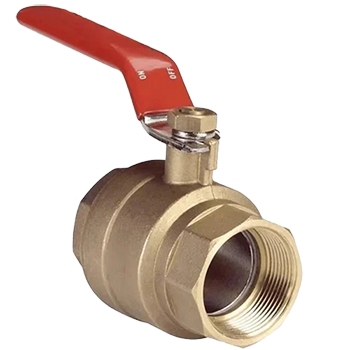
Latón estándar: solo con cobre y zinc, este tipo es fácil de moldear y fundir, y se usa en productos como tuberías, láminas y alambres.
Latón especial: esta versión incluye elementos adicionales como aluminio, estaño o manganeso para aumentar la resistencia y la resistencia a la corrosión. Tipos como latón plomo latón estaño latón aluminio para usos específicos
Resistencia mecánica: la válvula de latón tiene buena resistencia y dureza. Se desempeñan bien en situaciones de alta temperatura y alta presión, a menudo se mantienen mejor que el bronce.
Wear Resistance: Brass is tough and can handle impact and friction, so it's used in applications where parts take a beating.
Facilidad de fabricación: el latón es fácil de moldear y procesar, lo que mantiene bajos costos de fabricación.
Resistencia a la corrosión: el latón resiste mejor a la corrosión que el acero normal, pero en algunos entornos hostiles, necesita protección adicional en comparación con el bronce.
Tubo industrial: válvula de latón para agua, gas y otros sistemas de fluidos de presión media.
El bronce es una aleación de cobre-estaño conocida por su primera resistencia a la corrosión y buena conductividad térmica. Funciona mejor en entornos duros o bajos. Encontrará válvulas de bronce en industrias donde la durabilidad y la resistencia a condiciones difíciles son clave.
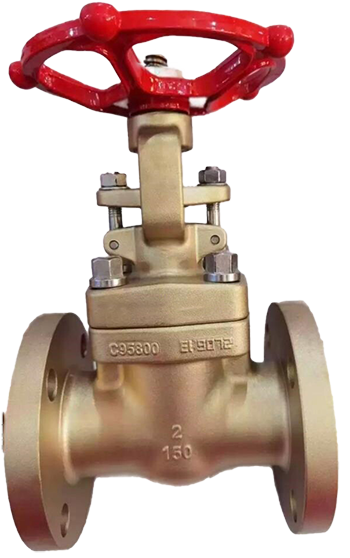
Estaño y bronce Este es el tipo más común de cobre y estaño para partes resistentes al desgaste como rodamientos y muelles
Aluminio y bronce: este es más resistente y más resistente a la corrosión, a menudo se usa para partes resistentes que necesitan resistir el desgaste.
Resistencia a la corrosión: el bronce tiene una excelente resistencia a la corrosión, especialmente en agua de mar, ácidos y álcalis. Es el material de destino para la ingeniería marina y las industrias químicas.
Facilidad de fabricación: al igual que el latón, el bronce es fácil de procesar y fundir, lo que ayuda a reducir los costos de producción.
Ingeniería marina: válvulas de bronce para barcos, plataformas marinas y sistemas de agua de mar.
Industria química: los encontrará en reactores, sistemas de enfriamiento y otros equipos que manejan fluidos corrosivos.
Tratamiento de agua: las válvulas de bronce se usan ampliamente en sistemas de purificación de desalinización y otros procesos que involucran productos químicos duros.
| Feature | Brass Valves | Bronze Valves |
| Corrosion Resistance | Not as good as bronze, may need extra protection | Excellent, especially in seawater and chemicals |
| High-Temperature Resistance | Good, handles heat and pressure well | Not as good, better for low-temperature environments |
| Wear Resistance | Good, can handle impact and friction | Excellent, especially in seawater or corrosive environments |
| Strength & Hardness | Stronger and harder | Slightly lower strength and hardness |
| Thermal Conductivity | Good, but not as good as bronze | Great, ideal for heat dissipation |
| Ease of Manufacturing | Easy to process and cost-effective | Easy to process and cost-effective |
| Typical Applications | Medium-low temperature, low-pressure systems | High corrosion, low-temperature environments |
Choosing between brass or bronze valves depends on your project's needs and the environment they'll be used in. Here are some key things to keep in mind.
Corrosion Resistance: If your system handles seawater or harsh chemicals, bronze is the better choice because of its superior corrosion resistance.
Temperature and Pressure: Brass valves are better for high-temperature and high-pressure environments, making them a good fit for systems that need strength and durability.
Fluid Type: If your system needs good heat dissipation, bronze valves are ideal, especially for high-temperature fluids.
Cost: Brass valves tend to be cheaper to make, so if you're on a tight budget, they might be the way to go. Bronze valves cost more due to their special alloy composition.
Brass and bronze valves each have their own strengths. Brass valves work well in medium-to-low temperature, low-pressure systems where strength, wear resistance, and ease of manufacturing are important. On the other hand, bronze valves are perfect for systems that need excellent corrosion resistance and heat conductivity, especially in marine, chemical, and low-temperature environments. When choosing a valve material, consider the working environment, the type of fluid, temperature and pressure conditions, and budget to make the best choice for your project.