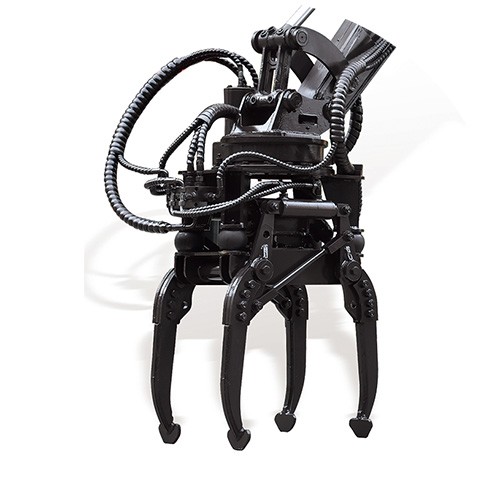
Excavators
No subcategories in this category
View ProductsIndustry Definition & Scope
The excavators industry encompasses the design, manufacturing, distribution, sales, and service of tracked or wheeled hydraulic machines primarily used for digging, trenching, material handling, demolition, and earthmoving operations. As a core segment within the broader construction and mining equipment sector, excavators are essential capital goods for infrastructure development, resource extraction, and urban construction worldwide.
Key Product Categories
By Size & Application:
-
Mini/Micro Excavators (Under 6 metric tons): Compact machines for residential construction, landscaping, utility work, and confined spaces.
-
Compact/Midi Excavators (6-15 metric tons): Versatile machines for general construction, urban development, and rental markets.
-
Standard Crawler Excavators (15-45 metric tons): The most common size range for general construction, road building, and quarry operations.
-
Large Excavators (45-90 metric tons): Heavy-duty machines for major earthworks, mining, and large-scale infrastructure projects.
-
Ultra-Large/Mining Excavators (90+ metric tons): Giant machines primarily for surface mining, with bucket capacities exceeding 10 cubic meters.
By Under-carriage Type:
-
Crawler/Tracked Excavators: Equipped with continuous tracks for superior stability, traction, and weight distribution on soft or uneven terrain.
-
Wheeled Excavators: Mounted on rubber tires for greater mobility between job sites on paved surfaces, with faster travel speeds.
By Specialized Configurations:
-
Long-Reach/Extended Arm Excavators: Feature extended booms and arms for demolition, dredging, and deep trenching applications.
-
Demolition Excavators: Reinforced structures with specialized attachments (shears, crushers) for building demolition and material processing.
-
Amphibious Excavators: Modified for work in wetlands, marshes, and shallow water environments.
-
Electric Excavators: Battery-powered or cable-electric models for zero-emission operation in urban areas or underground mining.
Technology & Innovation Trends
-
Electrification & Alternative Power: Development of battery-electric, hybrid, and hydrogen fuel cell excavators to reduce emissions and operating costs.
-
Advanced Hydraulic Systems: More efficient variable displacement pumps, load-sensing hydraulics, and electro-hydraulic controls for improved fuel efficiency and precise control.
-
Digitalization & Connectivity: Integrated telematics for remote monitoring, fleet management, predictive maintenance, and machine health diagnostics.
-
Automation & Semi-Autonomous Operation: Features like automated digging cycles, obstacle detection, and assisted controls to enhance productivity and safety.
-
Enhanced Operator Environment: Ergonomic cabs with improved visibility, climate control, and reduced noise/vibration levels.
-
Attachment Integration & Quick Couplers: Advanced hydraulic and electronic interfaces for faster, safer attachment changes and expanded machine functionality.
-
Advanced Materials: Use of high-strength steel and composite materials to reduce weight while maintaining durability.
Global Market Drivers
-
Global Infrastructure Development: Government investments in transportation, energy, and urban infrastructure projects.
-
Mining & Resource Extraction Activities: Demand for large excavators in metal, coal, and aggregate mining operations.
-
Urbanization & Real Estate Construction: Growth in residential and commercial building projects, particularly in emerging economies.
-
Equipment Rental Market Growth: Increasing preference for equipment rental over ownership among contractors.
-
Replacement of Aging Fleets: Need to upgrade older, less efficient machines with newer, more productive models.
-
Stringent Emission Regulations: Environmental policies driving adoption of cleaner Tier 4 Final/Stage V compliant and electric machines.
-
Disaster Response & Rehabilitation: Use in post-disaster cleanup and reconstruction efforts.
Industry Value Chain
-
Raw Material Suppliers: Steel, aluminum, rubber, and electronic component manufacturers.
-
Component Manufacturers: Engine, hydraulic system, undercarriage, and cab suppliers.
-
Original Equipment Manufacturers: Companies that design, engineer, and assemble complete excavators.
-
Dealer/Distribution Networks: Regional and local dealers providing sales, parts, and service support.
-
Rental Companies: Large equipment rental fleets serving the contractor market.
-
Financing & Insurance Providers: Financial institutions offering equipment loans, leases, and insurance products.
-
End Users: Construction contractors, mining companies, utilities, government agencies, and rental customers.
Key Industry Challenges
-
Cyclical Market Demand: Vulnerability to economic downturns and construction industry cycles.
-
High Development Costs: Significant R&D investment required for new technologies and emissions compliance.
-
Intense Global Competition: Pressure from established multinationals and emerging market manufacturers.
-
Supply Chain Disruptions: Dependence on global component suppliers and vulnerability to material shortages.
-
Skilled Operator & Technician Shortage: Difficulty finding trained personnel to operate and maintain increasingly complex machines.
-
Price Sensitivity in Emerging Markets: Need to offer competitively priced products while maintaining quality standards.
-
Regulatory Compliance Complexity: Navigating diverse emissions, safety, and import regulations across different countries.
Future Outlook
The excavators industry is undergoing significant transformation driven by sustainability, technology integration, and changing customer needs.
-
Accelerated Electrification Transition: Rapid adoption of electric excavators in urban applications and regulated markets.
-
Increased Automation Levels: Gradual progression toward fully autonomous excavators for specific applications like mining and trenching.
-
Service & Solution-Based Models: Growth of machine-as-a-service offerings combining equipment, maintenance, and technology services.
-
Enhanced Data Utilization: Greater use of machine data for optimizing job site efficiency, project planning, and equipment utilization.
-
Modular & Customizable Designs: More flexible machine configurations tailored to specific applications and customer requirements.
-
Circular Economy Initiatives: Focus on remanufacturing, component reuse, and end-of-life recycling.
-
Regional Manufacturing Strategies: More localized production to address trade barriers and supply chain risks.
Latest Products
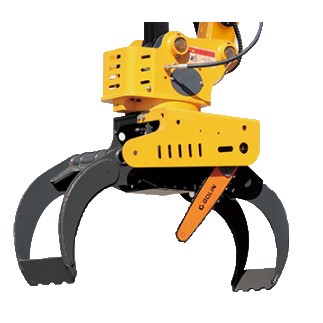
Wooden Clamp Attachments from China Excavator Manufacturer
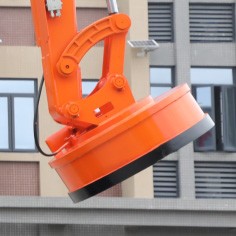
Electromagnetic Lifting Magnet for Special Excavator
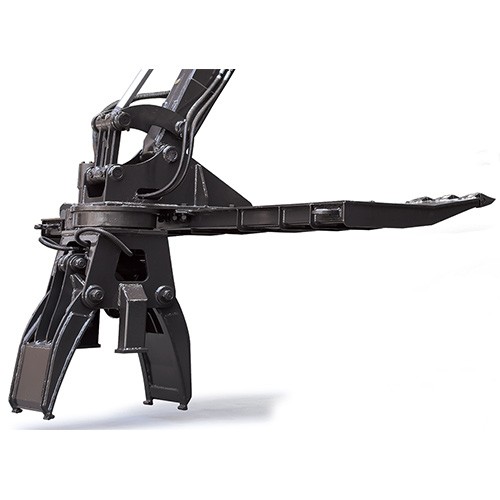
Railroad Grapple, Custom Attachments for Excavator
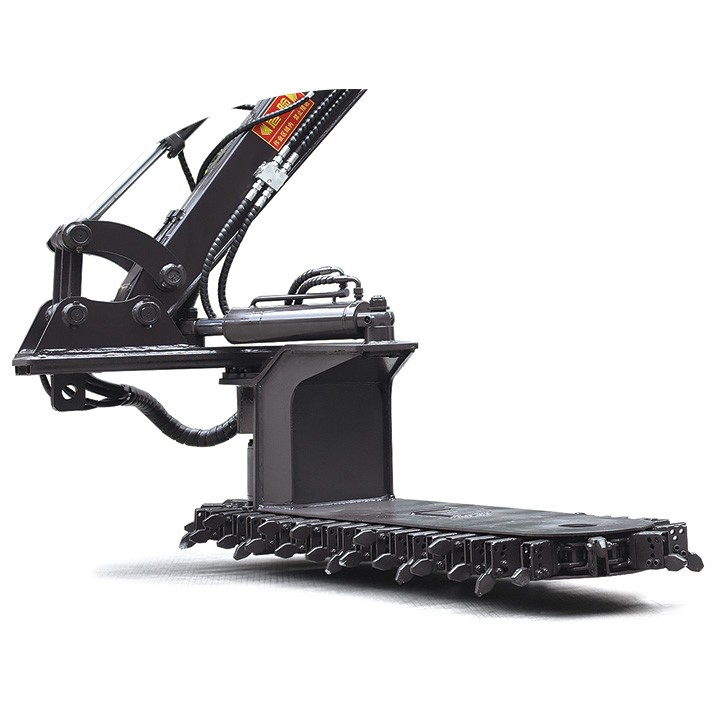
Ballast Blaster Undercutter Equipment for Hi-rail Excavator
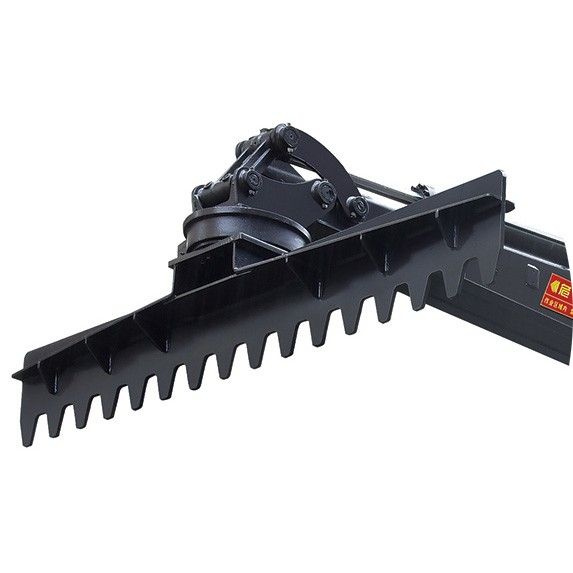
Material Leveling Device for Excavator from China Factory
Wood Log Grab Accessories from China Excavator Manufacturer
Cotton Bale Grab for Excavator Parts