Stuck at "Unlock"? Bluetooth-Linked Locks Enable Automated Switchgear Operation
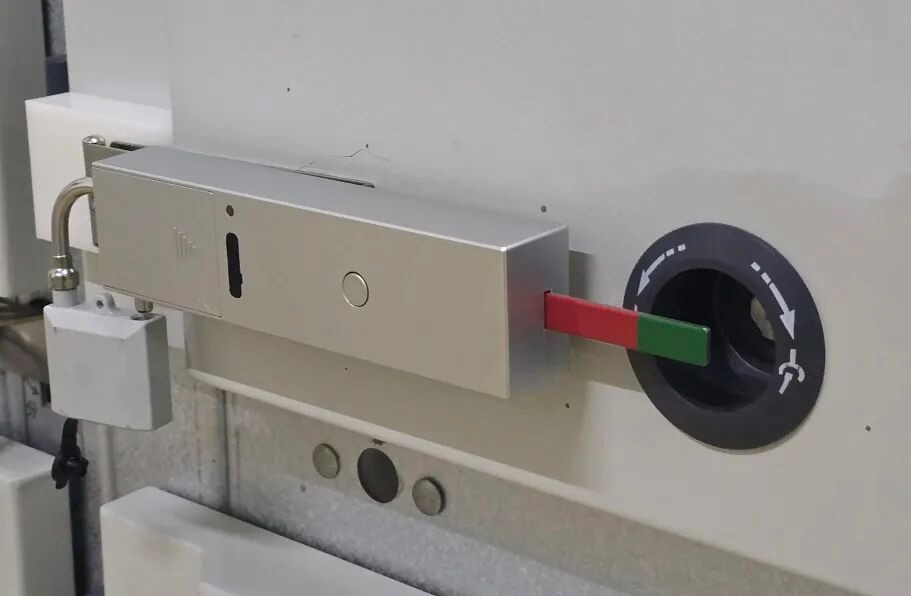
Customized Solutions. Breaking Through Operational Challenges.
MAKE Security Bluetooth-Linked Lock Solution
Safety | Efficiency | Innovation | Compatibility
MAKELOCKS
MAKE Security × A Leading Energy Company
Are switchgear operation robots getting stuck at the "lock" when performing tasks in power distribution rooms? MAKE Security's Bluetooth-linked lock solution has helped deploy switchgear operation robots in a 6 kV high-voltage distribution room operated by an energy company, overcoming a common industry challenge that has long hindered the automation of electrical operations.
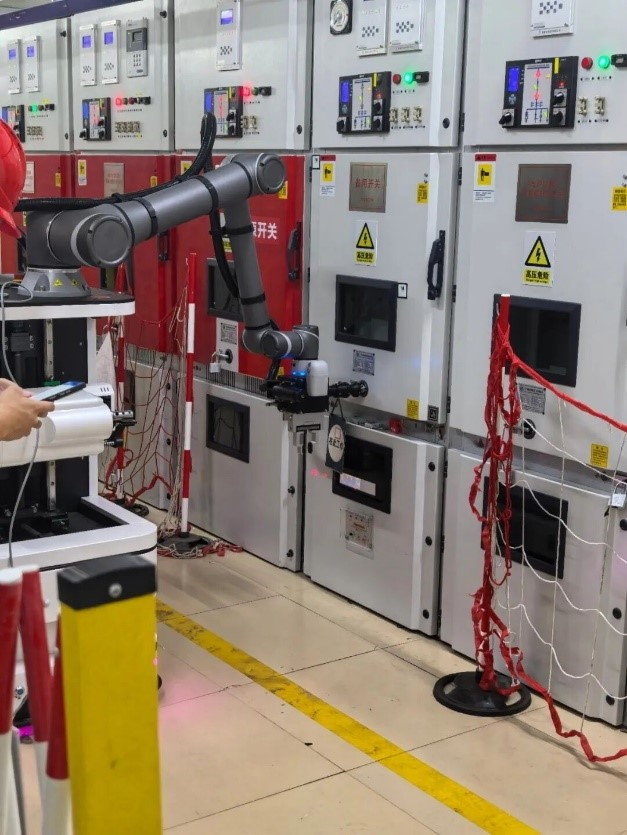
△ On-site operation of the switchgear operation robot
A leading domestic robotics technology company specializes in mobile manipulation robots. Its switchgear operation robots have been widely deployed in high-risk environments, including the power, energy, and petrochemical industries.
In the 6 kV high-voltage distribution room of an energy company, the robots are responsible for switchgear inspections and switching operations, replacing personnel in tasks that would otherwise require them to enter high-voltage operating areas.
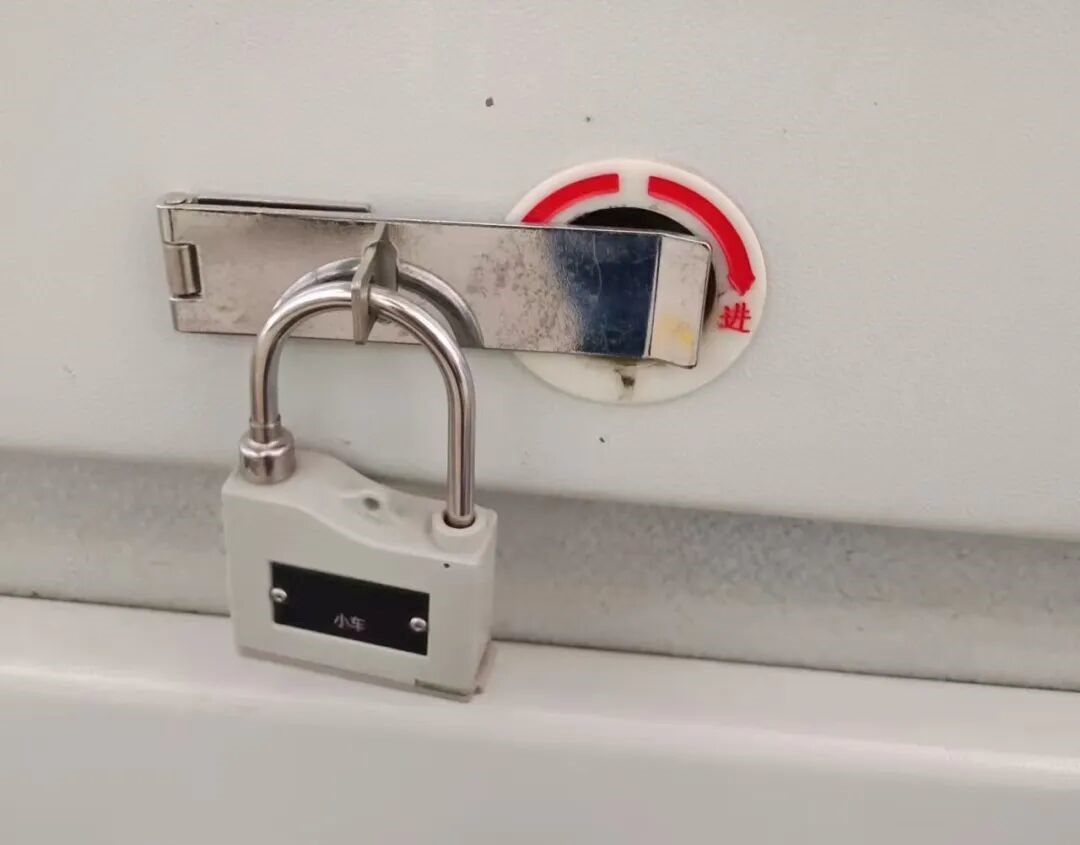
The handcart operating holes and earthing switch operating holes on switchgear cabinets are critical points for switching operations. Under the electrical industry's "Five-Prevention" safety requirements, these operating holes must be equipped with physical interlocking barriers to prevent accidental operation. Meanwhile, padlocks must remain in place to ensure compliance with safety procedures during manual maintenance and inspection.
This creates a challenging dilemma:
01 / Robots Cannot Get Past the "Lock"
To perform a rotation operation, the robot's mechanical arm must first access the operating hole by moving the hinged protective barrier out of the way. However, conventional Five-Prevention locks and padlocks can only be unlocked manually with keys. Robots cannot independently obtain authorization or release these locks, forcing the automated workflow to stop at this critical stage.
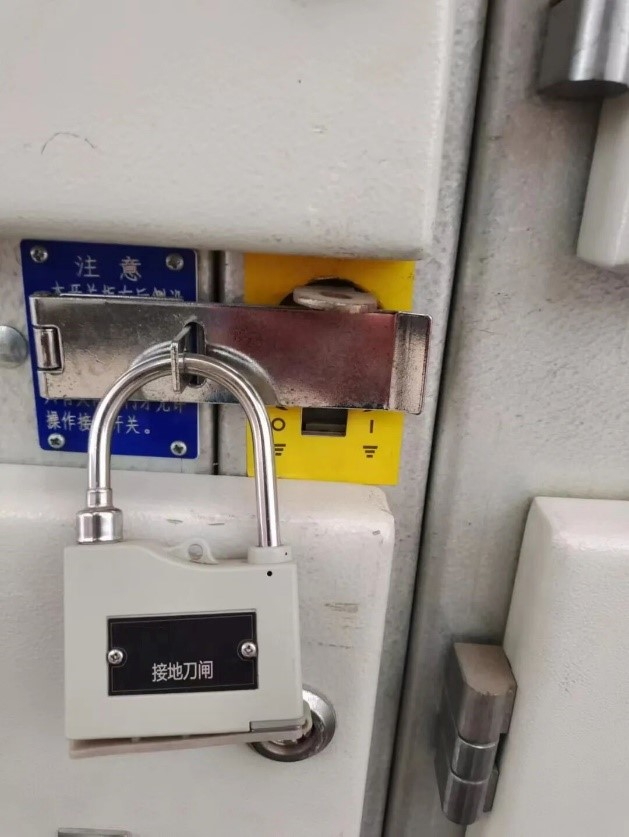
02 / Safety Requirements Cannot Be Compromised
Removing the Five-Prevention barriers or eliminating padlocks to accommodate robotic operation would introduce a serious safety gap in a high-voltage environment. Such modifications would also fail to meet electrical safety inspection requirements, making them unacceptable to the customer.
In other words, the customer needed a solution that could satisfy three essential requirements simultaneously:
- Enable robots to perform operations independently.
- Fully preserve the physical interlocking function required by the Five-Prevention safety system.
- Retain the existing padlock configuration without changing established maintenance procedures.
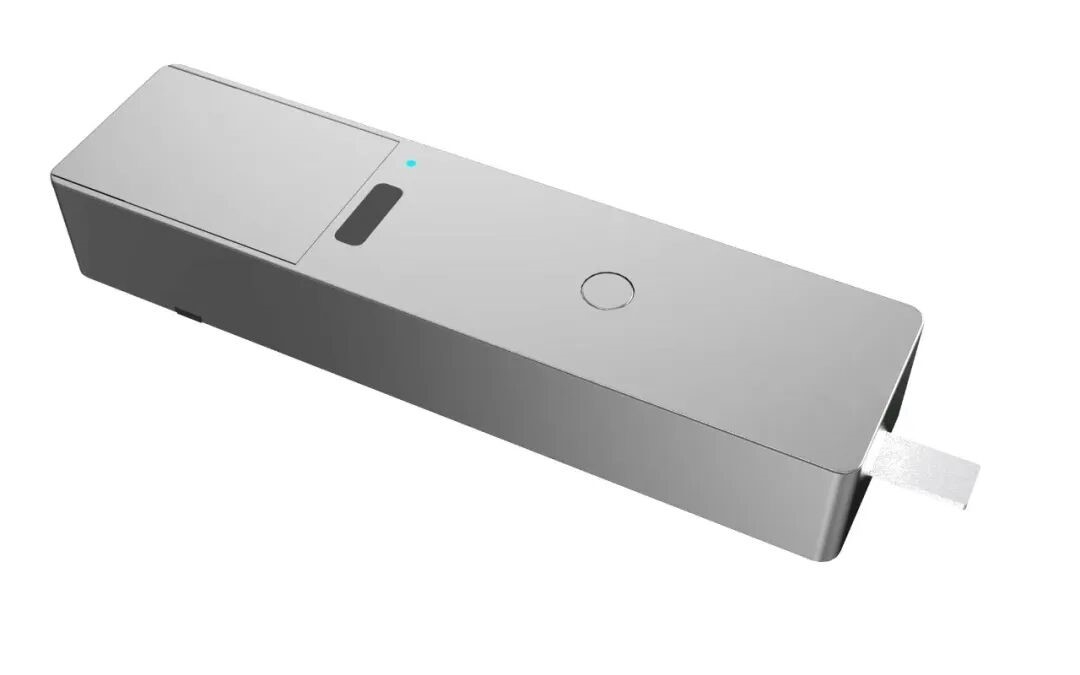
To address this challenge, Xiamen MAKE Security Technology Co., Ltd. leveraged its technical expertise in locking systems and precision structural components to collaborate with the customer on product design, development, and validation.
The result was a customized Bluetooth-linked lock solution that bridges the final gap in automated switchgear operation without modifying the cabinet structure or compromising electrical safety requirements.
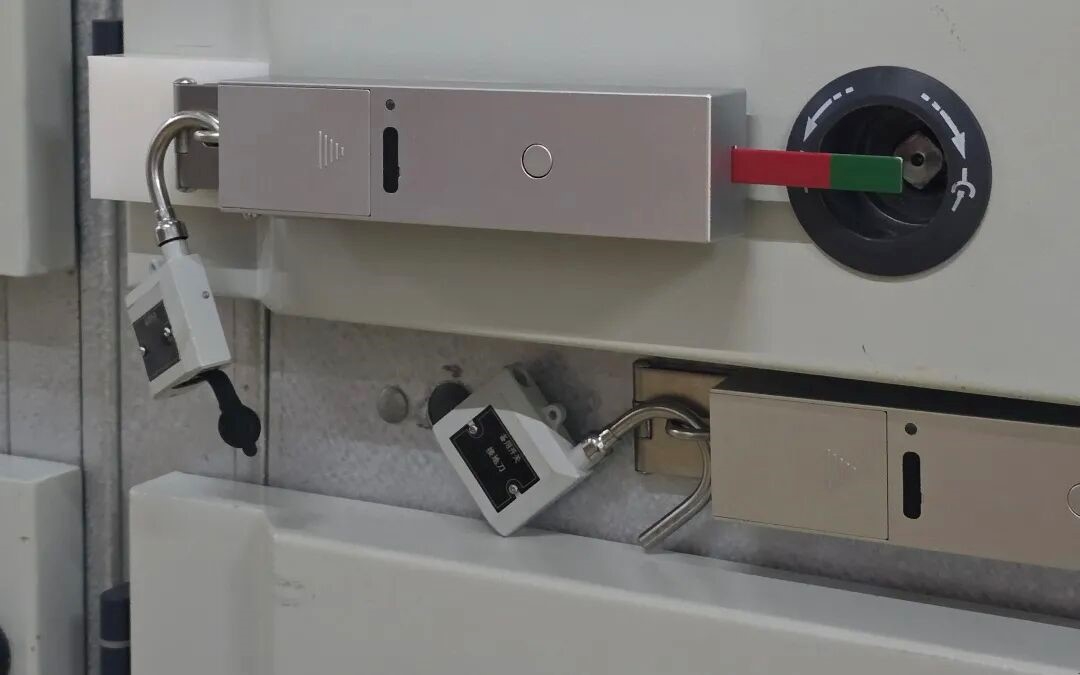
Bluetooth Communication and Authorization
A Bluetooth control module is integrated into the lock and communicates in real time with the robot's control system. Once the robot reaches the designated operating position, an authorized command from the backend control system triggers the unlocking process.
The entire operation can be logged and traced, ensuring that access and unlocking activities remain subject to authorization management and operational oversight.
Electrically Driven Retractable Mechanism
An electrically powered retractable mechanism is installed at the end of the hinged protective barrier. When activated, the mechanism automatically retracts, moving the barrier out of the way and allowing the robot's mechanical arm to align with the handcart operating hole or earthing switch operating hole and complete the required rotation.
Once the operation is completed, the mechanism automatically resets, restoring the physical barrier and its protective function.
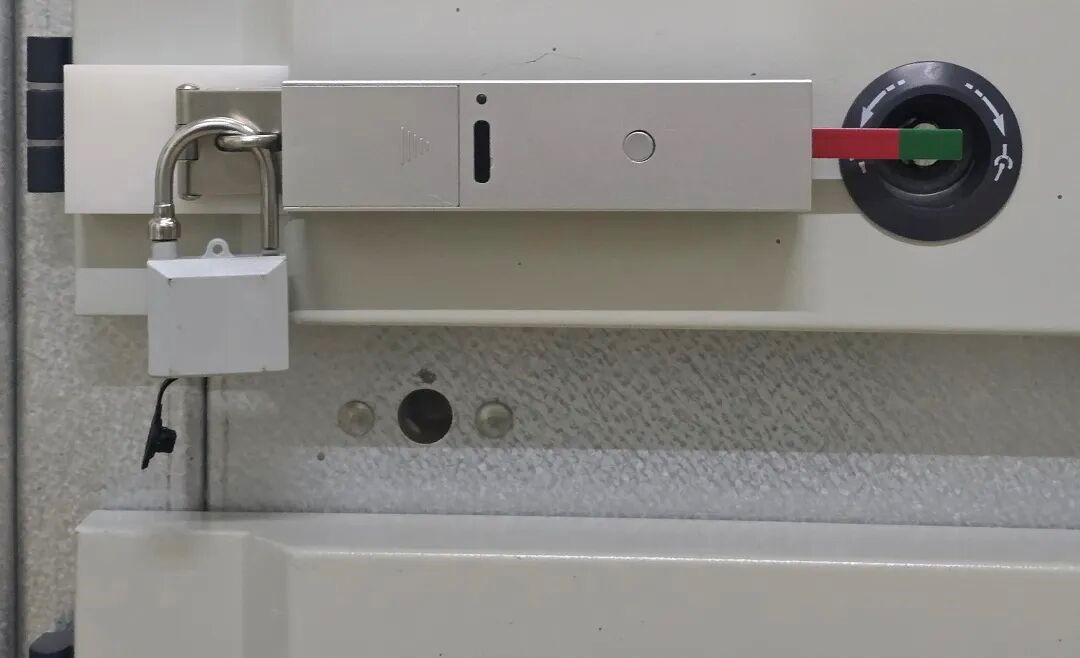
Mechanical Locking Function Retained
The mechanical lock mounted on the hinged barrier remains fully intact. During routine maintenance and inspection, personnel can still unlock the mechanism manually using a conventional key. The existing padlock configuration is unchanged, allowing established safety inspection and maintenance procedures to continue as usual.
01 / Bridging the Final Gap in Automation
The robotic operation process is no longer limited by an inaccessible mechanical lock. What was previously an operation that robots could not complete independently has become a fully automated process, eliminating the need for manual intervention during switching operations and completing the automation workflow.
02 / Combining Five-Prevention Interlocking with Intelligent Control
The original physical barrier and interlocking logic remain intact. Instead of removing safety locks to accommodate automation, the solution introduces authorized intelligent unlocking while preserving the required physical protection. This ensures that automation does not come at the expense of safety and strengthens overall operational control.
03 / Cost-Effective Retrofitting with Excellent Compatibility
There is no need to replace the existing switchgear cabinets or change the customer's current padlock configuration and maintenance practices. The solution can be installed directly into the existing setup, making implementation straightforward and providing excellent potential for replication across similar applications.
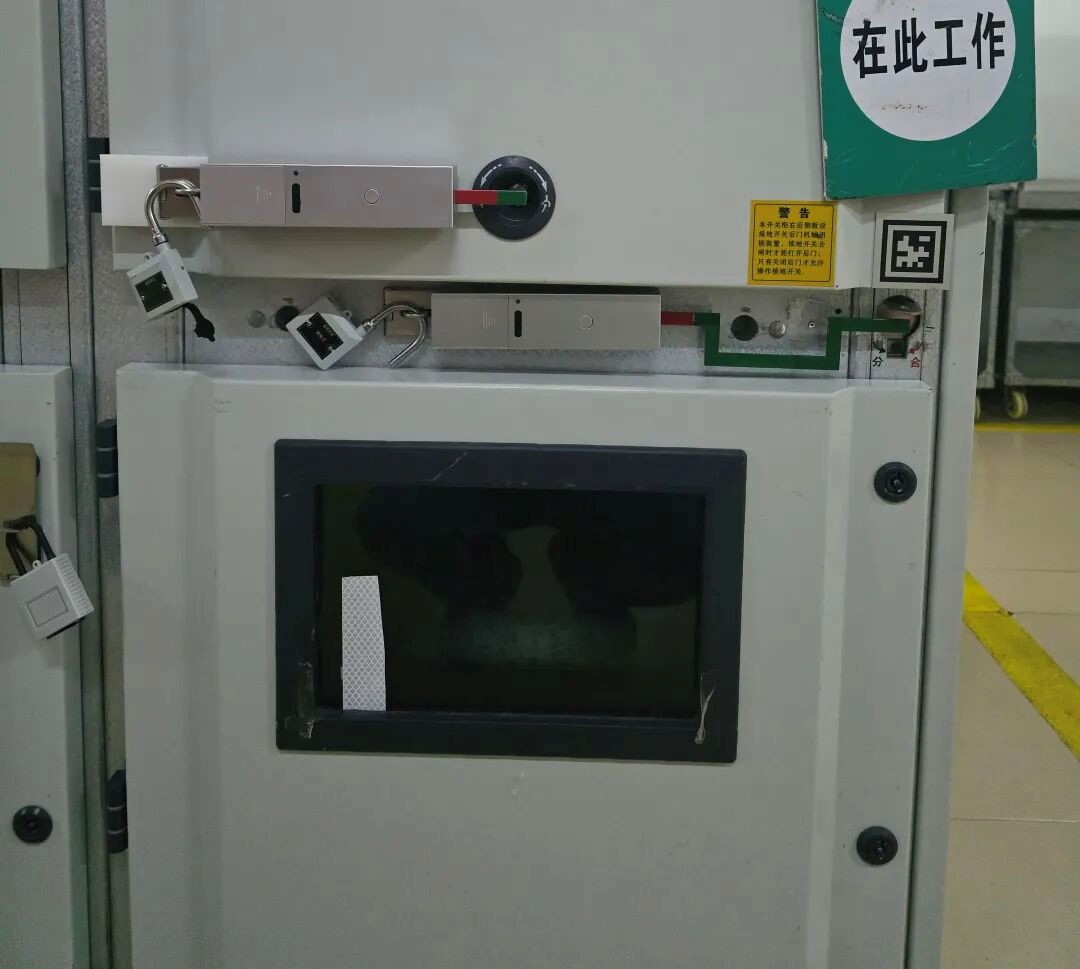
The solution is now operating reliably in the 6 kV high-voltage distribution room of the energy company. Working in coordination with MAKE Security's Bluetooth-linked locks, the switchgear operation robot can independently perform automated operations on high-voltage switchgear cabinets.
Throughout the operation, personnel do not need to approach energized switchgear cabinets, significantly reducing exposure to high-voltage electrical hazards. At the same time, the solution improves maintenance efficiency and ensures greater consistency in operational procedures.
Unmanned high-voltage power distribution has never been held back by the complexity of robotic technology alone. Sometimes, the missing link is simply a lock that robots cannot open.
With its expertise in customized locking solutions, MAKE Security has unlocked this final barrier with an innovative Bluetooth-linked lock, enabling safer and more efficient automated switchgear operations.
MAKE Security specializes in security locking systems and precision structural component solutions. We welcome inquiries and partnership opportunities from customers in the power, energy, and robotics industries.