Passive Cam Lock Solution for Maintenance Cabinets: Enabling End-to-End Digital Visibility
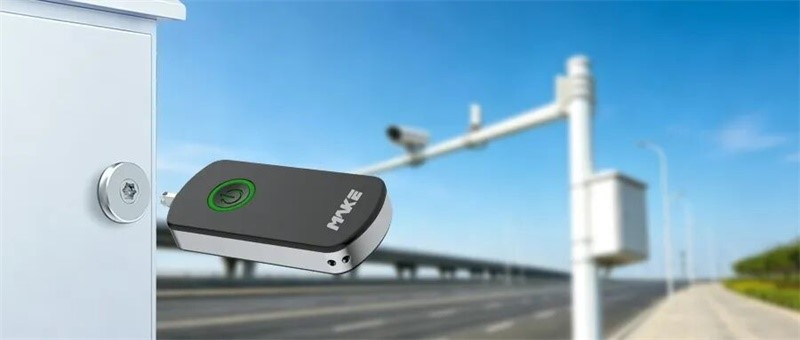
Smart Security, Intelligent Traffic Management
Smart Security Solution for Public Security and Traffic Police Maintenance Cabinets
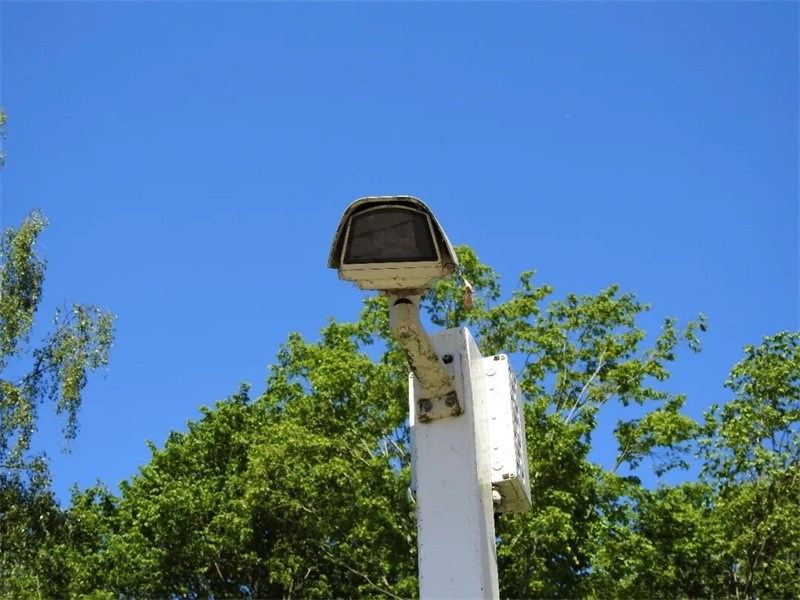
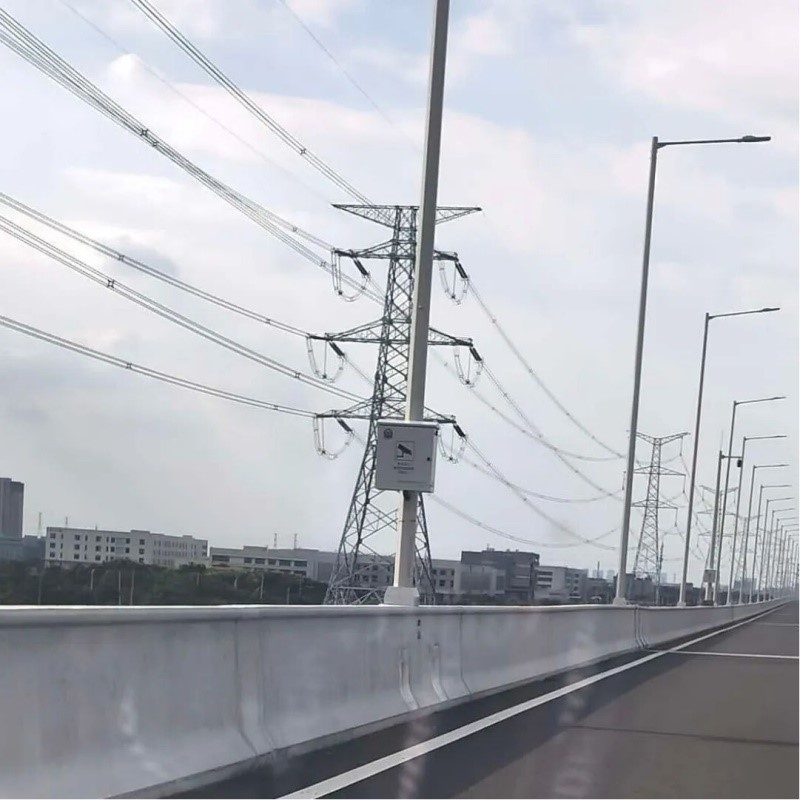
Maintenance cabinets deployed along urban arterial roads and highway intersections serve as critical control points for monitoring and managing traffic conditions. These cabinets are typically distributed across multiple locations, exposed to the outdoor environment for extended periods, and operated without on-site personnel.
To ensure the secure and reliable operation of maintenance cabinets in demanding traffic environments, MAKE provided Enterprise A with a passive cam lock solution designed to withstand complex outdoor conditions and deliver long-term reliability.
Before adopting the new-generation passive cam lock solution, Enterprise A used electronic locks as the primary security solution for its outdoor maintenance cabinet projects. However, three major challenges restricted long-term operational efficiency and security.
Maintenance cabinets are exposed year-round to dust, rain, temperature fluctuations, and other harsh outdoor conditions. Electronic locks may experience rust, malfunction, or operational failures after prolonged exposure. These failures can delay fault handling, slow down traffic management responses, and increase maintenance costs.
Electronic locks can be vulnerable to unauthorized access or technical attacks. In minor cases, equipment inside the cabinet may be lost or damaged. In more serious situations, unauthorized access could affect traffic signal systems or vehicle monitoring equipment, potentially resulting in traffic congestion and other operational risks.
The original system lacked comprehensive records of locking and unlocking activities. As a result, it was difficult to verify whether scheduled inspections had actually been completed or to trace the history of cabinet access after a fault occurred. When equipment damage or data loss occurred, identifying responsibility could become difficult due to insufficient access records.
As smart transportation infrastructure continues to evolve, Enterprise A upgraded its maintenance cabinet security system with a passive cam lock solution. The solution established an integrated management framework covering the lock hardware, transmission layer, and management platform, enabling visualized management of maintenance cabinets across all roads and project locations.
This end-to-end architecture effectively addresses the lack of control associated with conventional electronic locking systems and provides a more transparent and manageable approach to maintenance operations.
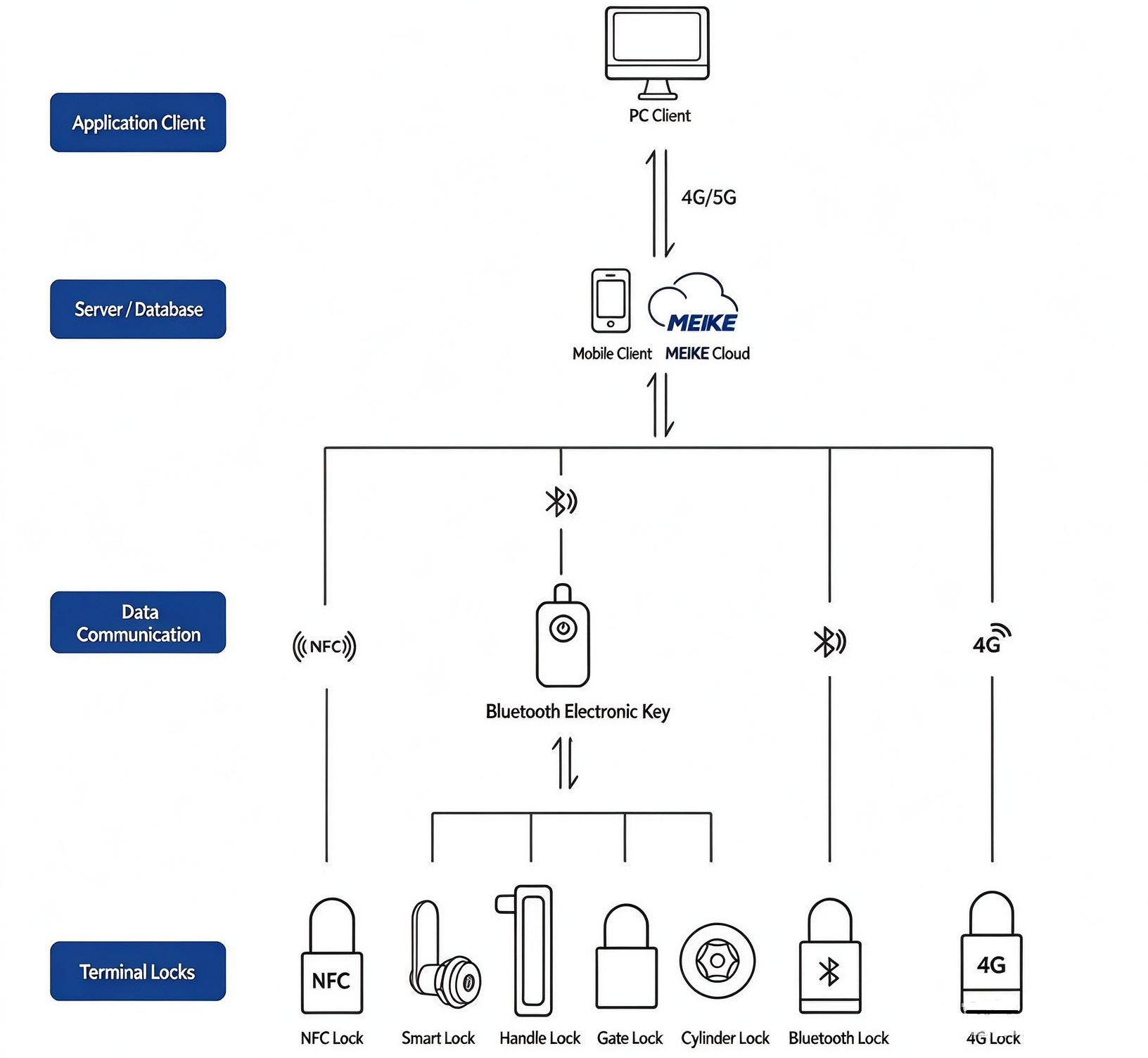
A unified platform brings keys, locks, equipment, maintenance personnel, tasks, and monitoring functions under centralized management. This eliminates the fragmented and disorderly management associated with traditional approaches while reducing potential blind spots in security and operational control.
By integrating these elements into one management system, administrators can obtain a clearer overview of cabinet assets, access permissions, maintenance activities, and operational status, helping improve coordination across large-scale and geographically dispersed projects.
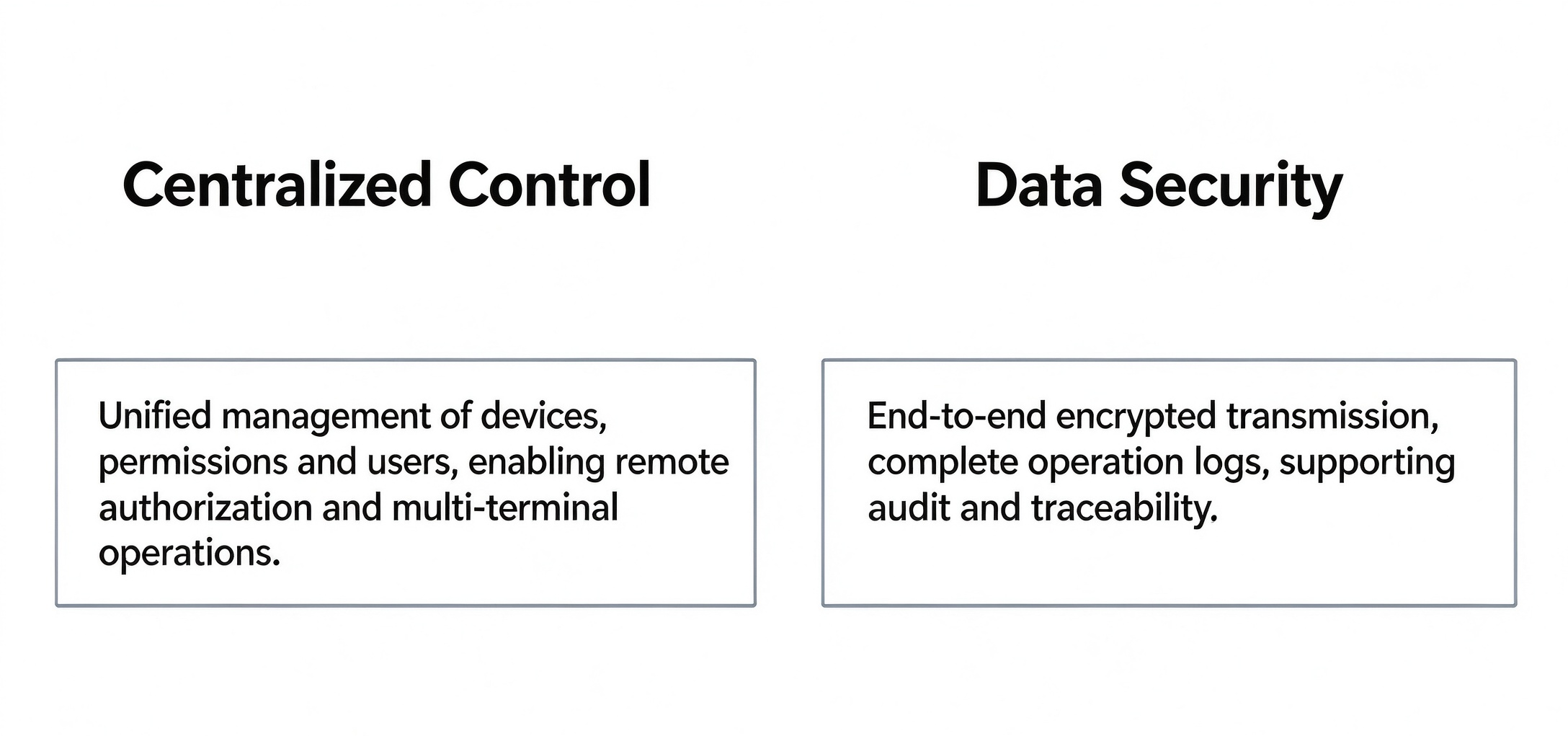
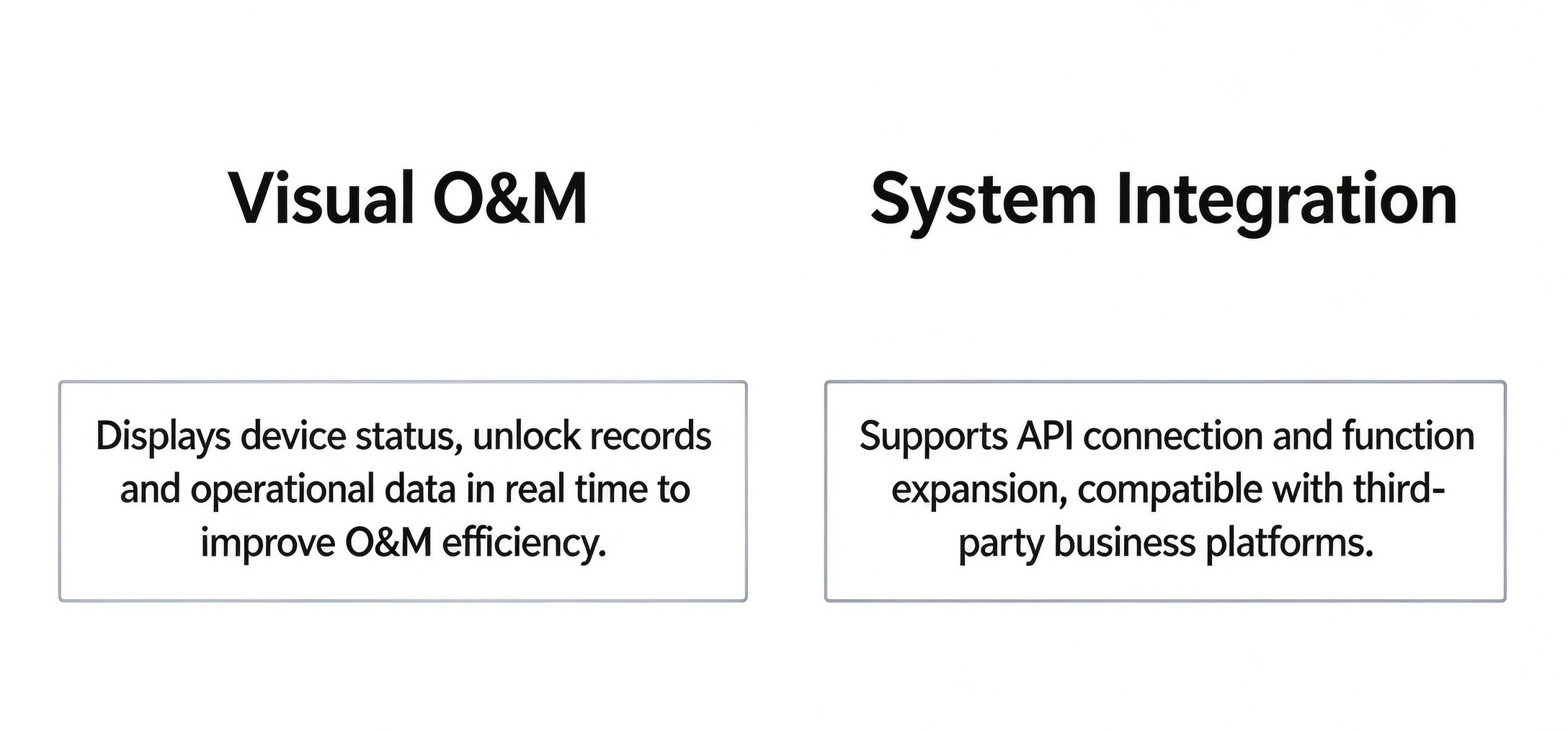
The system enables administrators to dynamically adjust configurations according to operational requirements. New locks and keys can be added, user accounts can be authorized or revoked, and online or offline tasks can be assigned to specific users.
This flexible configuration allows the system to respond efficiently to routine maintenance requirements as well as emergency fault-handling scenarios, helping maintenance personnel complete critical operations without unnecessary delays.
Every locking and unlocking operation is automatically recorded with key information, including the user account, time, location, lock, and associated equipment. These records are securely stored and cannot be arbitrarily altered.
Through the management platform, administrators can quickly determine who accessed a specific lock, when the access occurred, and which piece of equipment was involved. This enables faster investigation of incidents and provides reliable evidence for identifying responsibility.

The cloud-based management platform serves as the "brain" of the locking system, while the physical lock hardware acts as its "body." By coordinating software and hardware, the solution establishes an integrated security system that combines reliability, intelligence, and operational visibility.
Passive power design: The lock body is powered by the key, eliminating the risk of being unable to unlock the cabinet due to power outages, battery depletion, or circuit failures. This ensures that both routine maintenance and emergency operations can proceed reliably.
High-performance rechargeable battery: The key uses a rechargeable lithium battery that can be repeatedly recharged and reused, helping reduce battery replacement frequency and long-term maintenance costs.
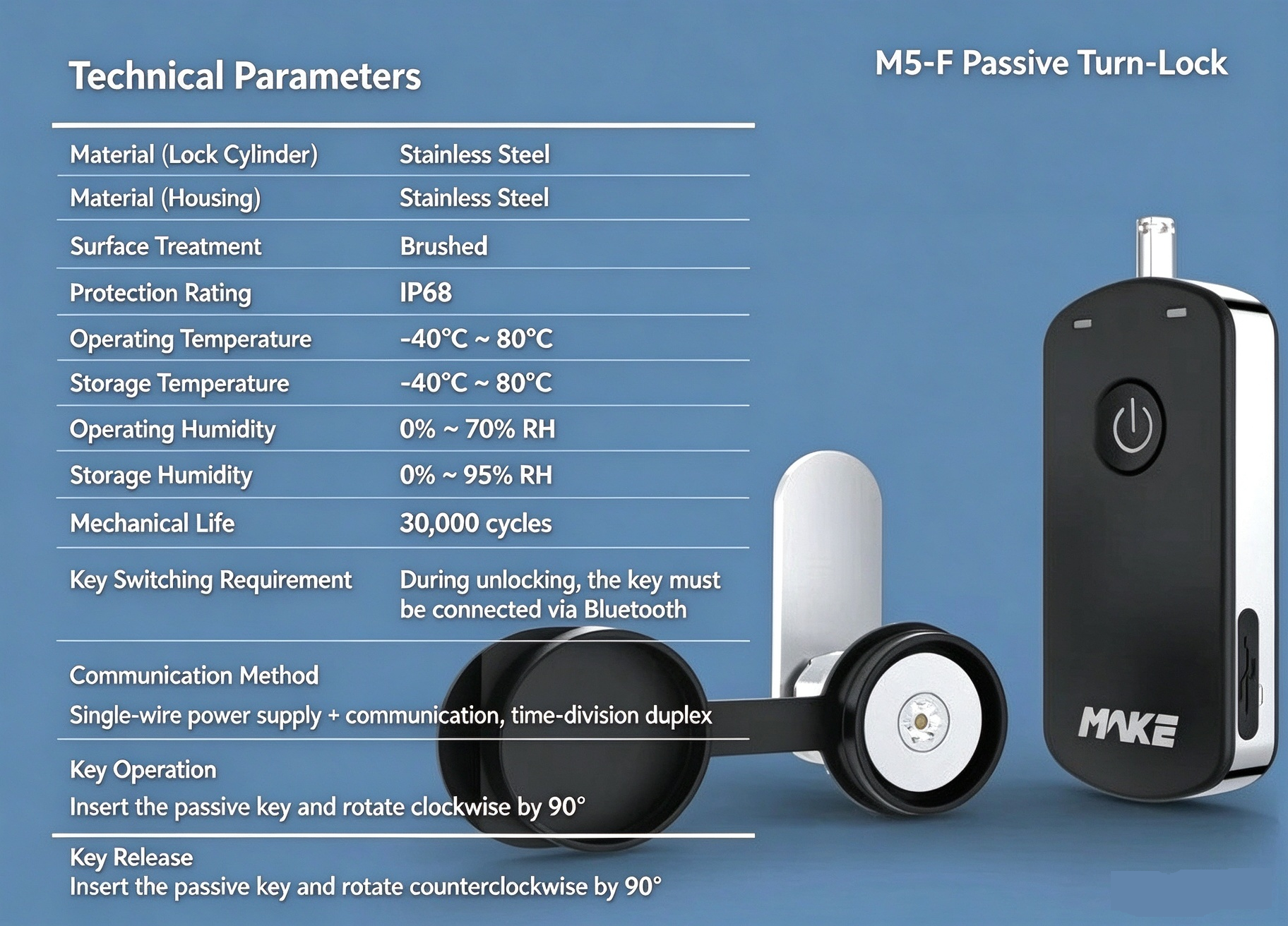
Strong environmental adaptability: The solution can operate reliably in demanding environments ranging from -40°C to 80°C and 0% to 70% RH. With an IP68 protection rating, the lock provides strong resistance to water, rust, and corrosion, making it suitable for complex outdoor environments characterized by high humidity, high temperatures, and extremely cold conditions.
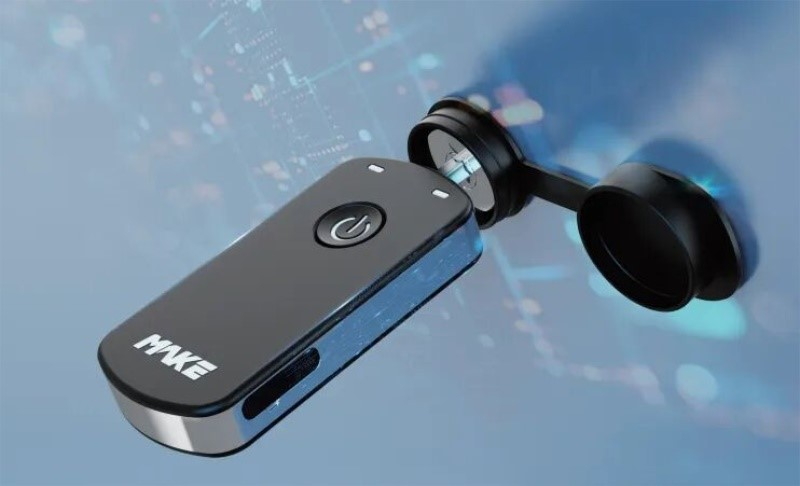
Difficult to compromise through technical attacks: User access requires authentication through the key, lock, and APP, while communications use Chinese commercial cryptographic algorithms to provide an additional layer of communication security.
High resistance to physical damage: Constructed from stainless steel, the lock features high material strength and strong impact resistance, making it more resistant to physical tampering and destructive attacks.
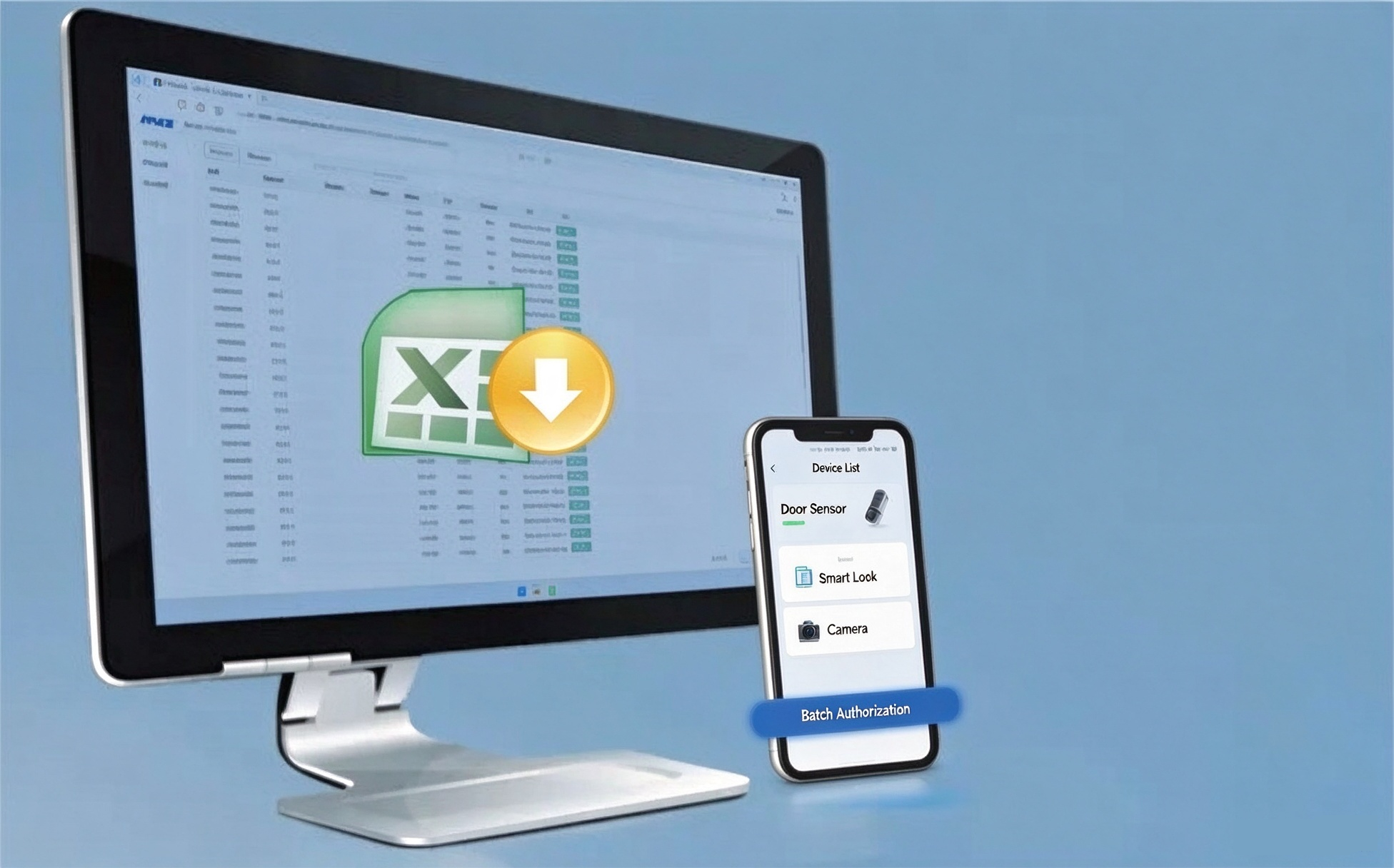
Efficient fault tracing: Administrators can quickly retrieve and review complete cabinet access histories within minutes, making it easier to identify the personnel associated with specific operations and investigate incidents efficiently.
Closed-loop inspection management: Digital access records can be used to verify whether scheduled inspection activities have been completed as required, helping close gaps caused by missed or incomplete inspections.
For maintenance cabinets installed along the elevated section of XX Avenue in a certain city, the passive cam lock solution benefited from MAKE's strong supply and service capabilities. The products met the project's engineering acceptance requirements and supported the timely and successful delivery of the municipal infrastructure project.
Following deployment, the system demonstrated stable operation and significantly improved maintenance management efficiency. By combining reliable lock hardware with digitalized access management, the project provided Enterprise A with a successful reference case for expanding its solutions into government and public-sector markets.
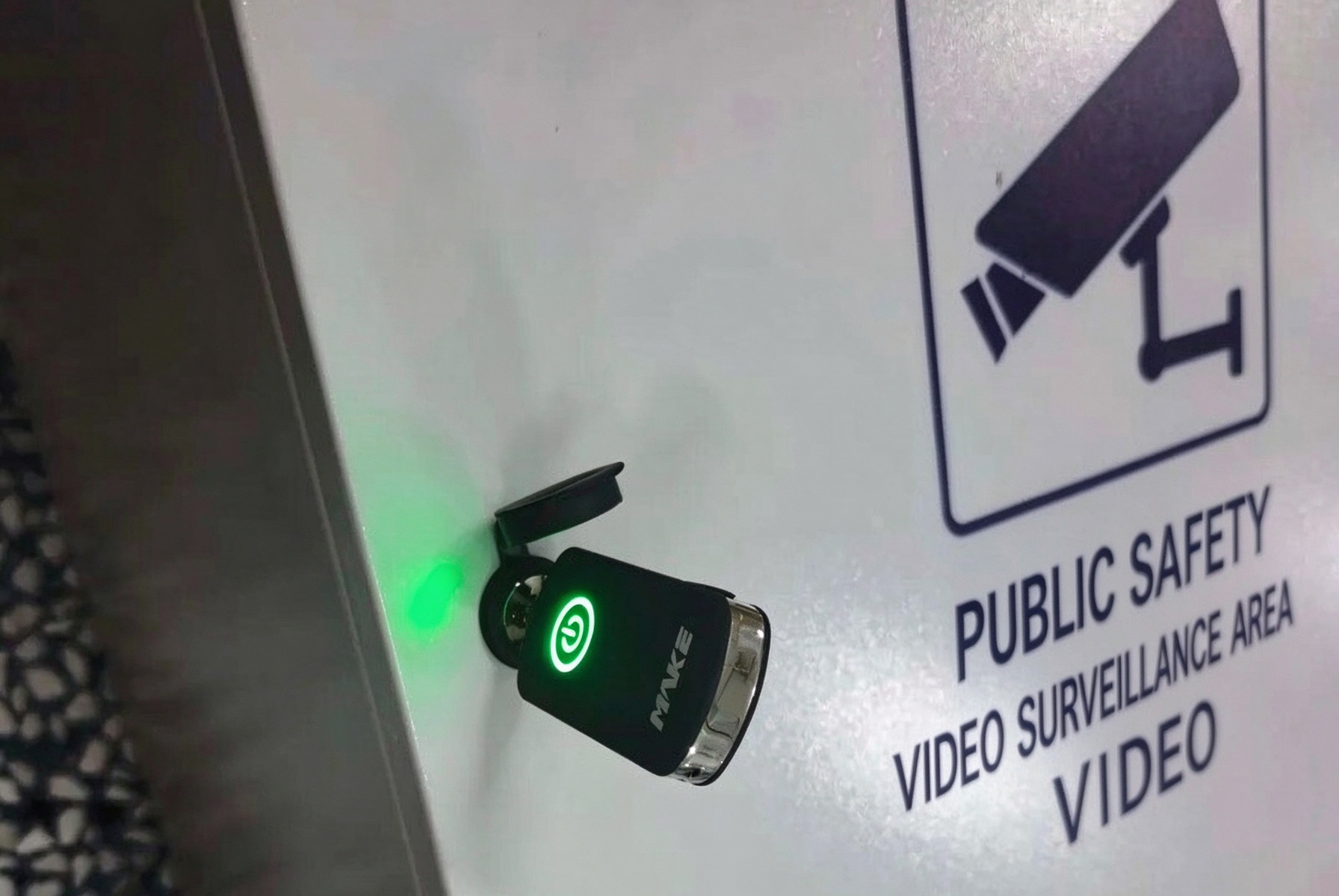
The passive cam lock solution establishes a smart operational framework integrating monitoring, management, and maintenance, reshaping the security model for maintenance cabinets and supporting the digital transformation of smart transportation infrastructure.